
Blow lug (Arenicola marina)
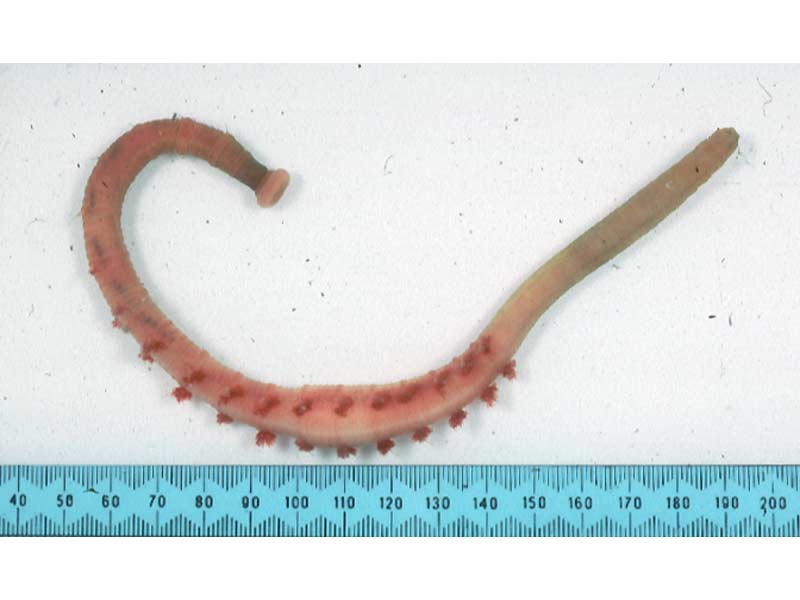
Specimen of Arenicola marina with proboscis everted.
Photographer: Dr Matt Bentley Copyright: Dr Matt Bentley
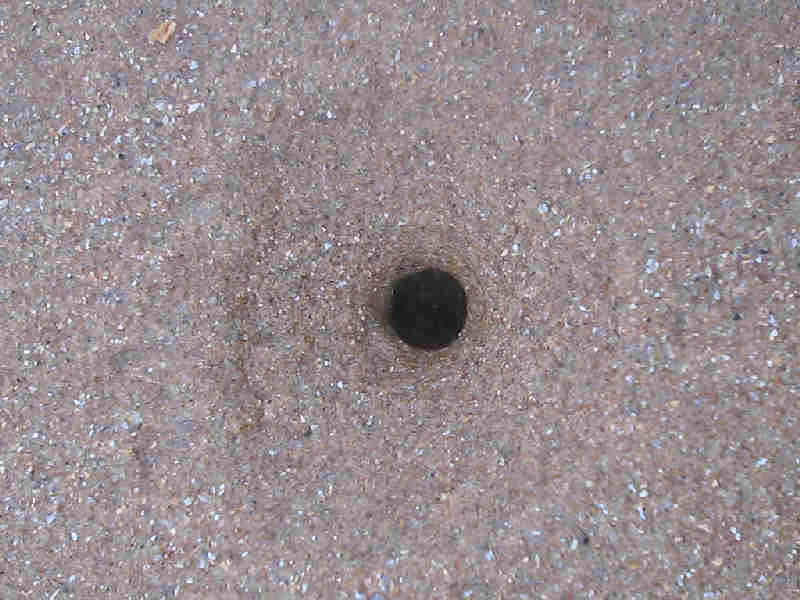
Arenicola marina burrow entrance.
Photographer: Judith Oakley Copyright: Judith Oakley
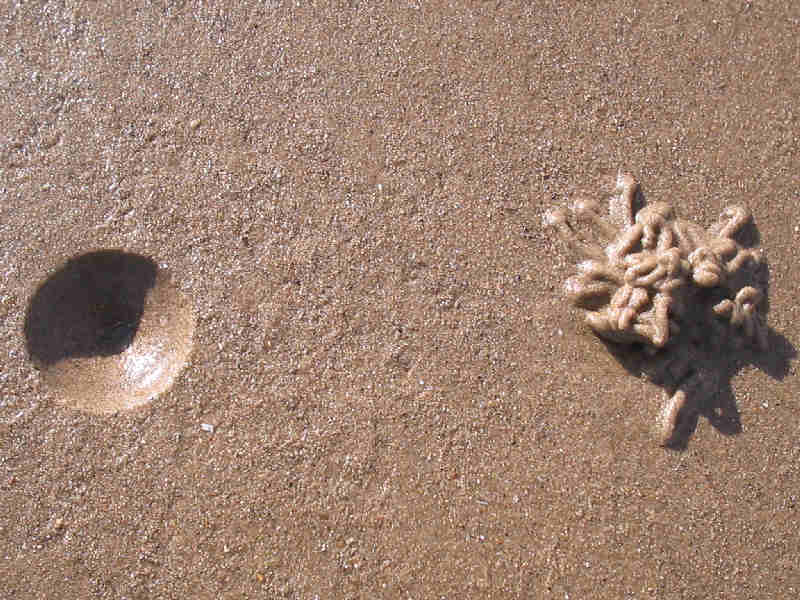
Arenicola marina casts and burrow entrance.
Photographer: Judith Oakley Copyright: Judith Oakley
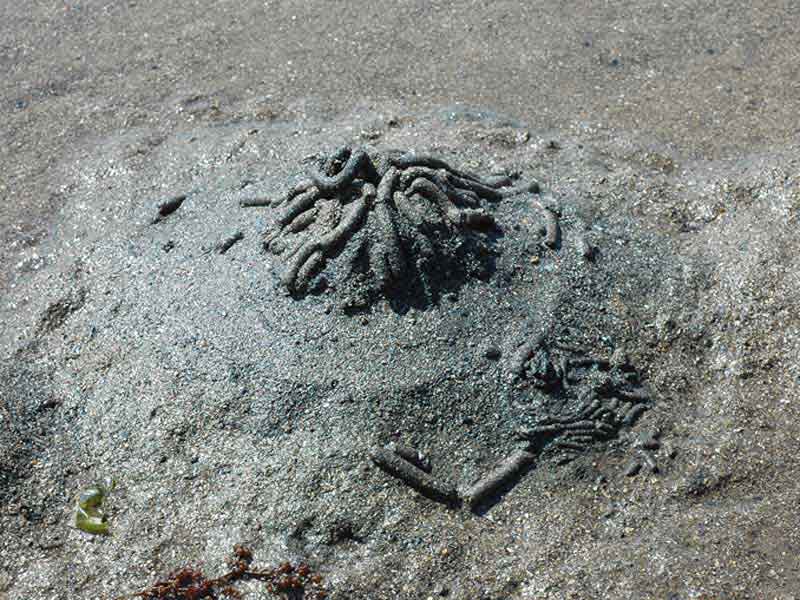
Arenicola marina casts at Mount Batten in Plymouth Sound.
Photographer: Dr Keith Hiscock Copyright: Dr Keith Hiscock
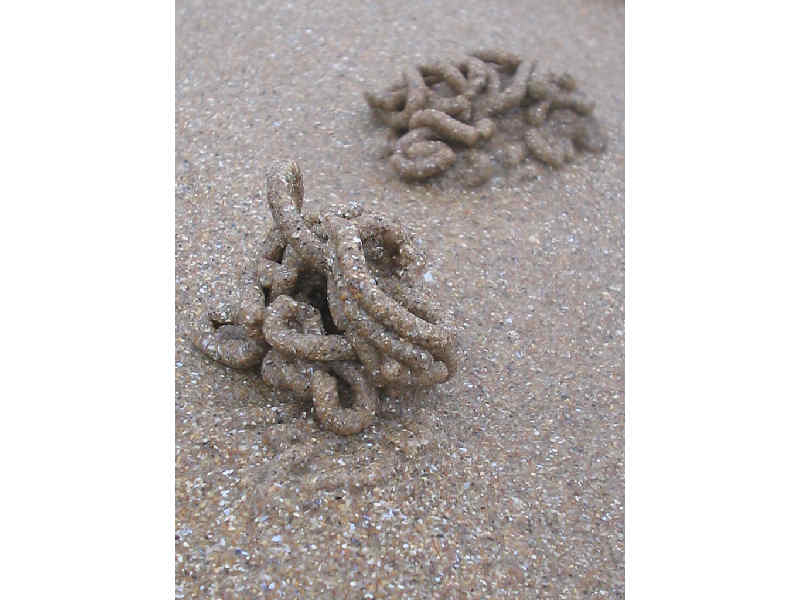
Arenicola marina casts.
Photographer: Judith Oakley Copyright: Judith Oakley
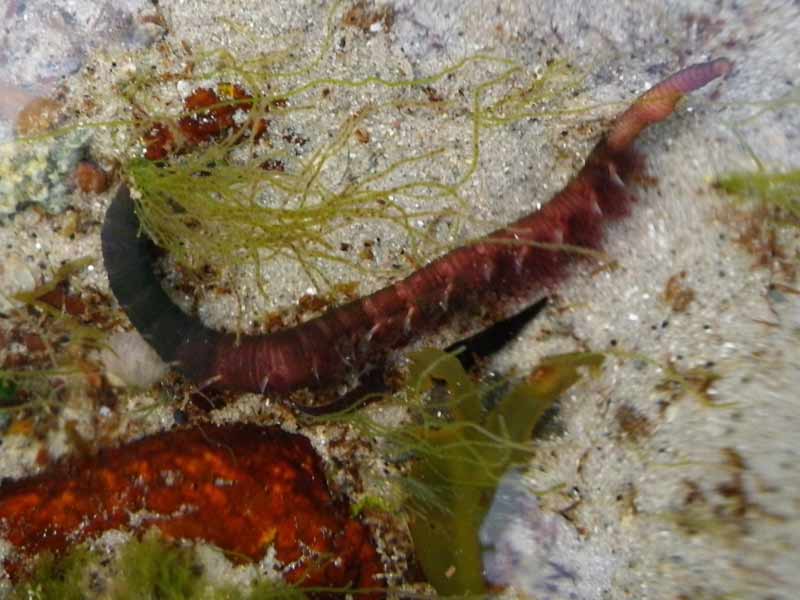
A lug worm out of the sediment.
Photographer: Tabitha Pearman Copyright: Tabitha Pearman
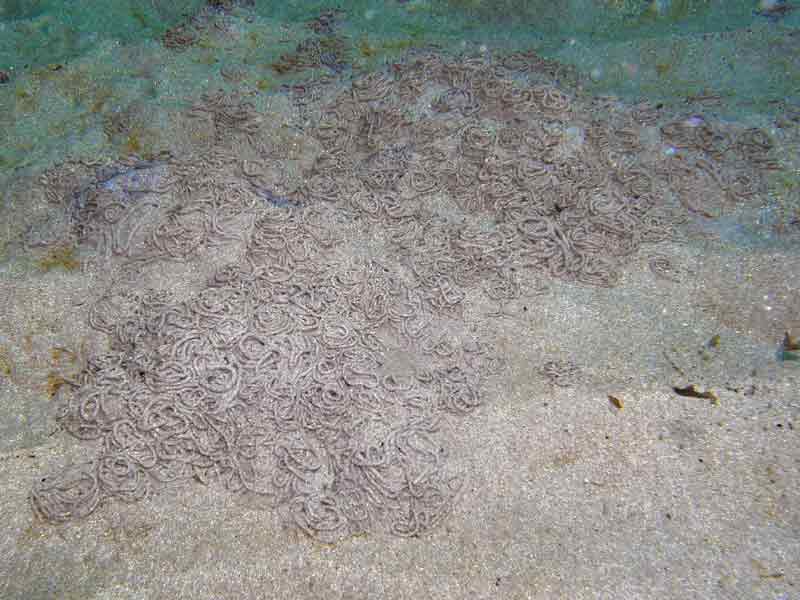
Aggregation of Arenicola marina casts at 5m depth.
Photographer: Paul Newland Copyright: Paul Newland
Distribution data supplied by the Ocean Biodiversity Information System (OBIS). To interrogate UK data visit the NBN Atlas.Map Help
| Researched by | Dr Harvey Tyler-Walters | Refereed by | Dr Matt Bentley |
| Authority | (Linnaeus, 1758) | ||
| Other common names | - | Synonyms | - |
Summary
Description
Arenicola marina is the familiar lugworm, much prized as bait by anglers. This sedentary polychaete has a firm, cylindrical body divided into a thoracic and an abdominal region. The head is small, with no appendages or eyes although a rough proboscis may be visible. The thoracic region consists of 19 parapodia bearing segments (with chaetae), of which the last 13 bear bushy gills. The abdominal region is narrower and consists of many segments lacking chaetae and gills. Apart from the head, each segment is divided by 5 rings (annuli). Adults reach between 12 and 20 cm in length and vary in colour from pink to dark pink, red, green, dark brown or black. Digs a U or J-shaped burrow (20-40 cm deep) with characteristic depressions at the head end (the 'blow hole') and a cast of defaecated sediment at the tail end. Feeds on detritus and micro-organisms in ingested sediment. The cast is large and often the colour of clean sand. Tolerates salinities down to 12 psu. Preyed on by flatfish and wading birds, which may 'nip' off the tail as it deposits casts. May be confused with Arenicola defodiens (the black lug) which is generally darker (usually black), longer (up to 270mm), burrows deeper (usually 40-70cm), rarely forms a 'blow hole', produces a finer, neater cast, prefers more exposed coasts rather than estuaries and differs in the number of annuli between the first 4 pairs of chaetae bearing segments and in the shape of the gills.
Recorded distribution in Britain and Ireland
Found on all coasts around Britain and Ireland and widely in north-west Europe.Global distribution
Recorded from shores of western Europe, Norway, Spitzbergen, north Siberia, and Iceland. In the western Atlantic it has been recorded from Greenland, along the northern coast form the Bay of Fundy to Long Island. Its southern limit is about 40° N.Habitat
Found from high water neap tidal level to the middle or lower shore in sand and muddy sand, living in a characteristic U or J-shaped burrow. Often reaches high abundances in sheltered estuarine sediments.Depth range
IntertidalIdentifying features
- Anterior, thoracic region of 19 chaetigerous segments.
- Branching dorsal gills on segments 7-19.
- Posterior abdominal region narrow without gills and chaetae.
- Body firm and cylindrical.
- Almost all segments with 5 annuli.
- Head blunt, without appendages.
- Annulation pattern, chaetigerous segment i, 2 annuli, segment ii, 3 annuli, segment iii, 4 annuli, segment iv.
Additional information
Arenicola defodiens sp. nov. has recently been distinguished from Arenicola marina on the basis of the morphology of the gills, the annulation pattern between the first 4 chaetigerous segments, size, burrow depth, cast type and shape, colour, absence of a feeding depression and genetic polymorphism (see Cadman & Nelson-Smith, 1993). These two species may represent the 'laminarian' and 'littoral' forms respectively referred to by earlier authors.
Listed by
- none -
Biology review
Taxonomy
| Level | Scientific name | Common name |
|---|---|---|
| Phylum | Annelida | Segmented worms e.g. ragworms, tubeworms, fanworms and spoon worms |
| Class | Polychaeta | Bristleworms, e.g. ragworms, scaleworms, paddleworms, fanworms, tubeworms and spoon worms |
| Family | Arenicolidae | |
| Genus | Arenicola | |
| Authority | (Linnaeus, 1758) | |
| Recent Synonyms | ||
Biology
| Parameter | Data | ||
|---|---|---|---|
| Typical abundance | Moderate density | ||
| Male size range | 120-200mm | ||
| Male size at maturity | |||
| Female size range | Medium(11-20 cm) | ||
| Female size at maturity | |||
| Growth form | Vermiform segmented | ||
| Growth rate | See additional text | ||
| Body flexibility | High (greater than 45 degrees) | ||
| Mobility | |||
| Characteristic feeding method | Sub-surface deposit feeder, Surface deposit feeder | ||
| Diet/food source | |||
| Typically feeds on | Micro-organisms (bacteria), benthic diatoms, meiofauna, and detritus. | ||
| Sociability | |||
| Environmental position | Infaunal | ||
| Dependency | Host for. | ||
| Supports | Independent Distomid cercariae and Coccidia. | ||
| Is the species harmful? | No | ||
Biology information
- The anatomy of Arenicola marina was described in detail by Ashworth (1904).
- Arenicola marina burrows into sediment using its proboscis and muscular contractions of the first few segments. It forms a J-shaped burrow (see image) with a vertical shaft and horizontal limb in which the worm lies head first. Arenicola marina ingests sediment at head end of the burrow forming a feeding column and characteristic funnel or 'blow hole' on the surface (Wells, 1945; Zebe & Schiedek, 1996). Therefore, it feeds on material obtained from the sediment surface. The shape and different feeding characteristics of the funnel were discussed and photographed by Rijken (1979).
- Arenicola marina ingests small particles (<2mm) which stick to the proboscis papillae while larger particles are rejected and accumulate in the vicinity of the burrow, often resulting in a characteristic layer of shell material below the burrow found in sediments populated by this species (Zebe & Schiedek, 1996; Riisgård & Banta, 1998).
- Arenicola marina feeds on micro-organisms (bacteria), meiofauna and benthic diatoms in the sediment and is also capable of absorbing dissolved organic matter (DOM) such as fatty acids through the body wall (Zebe & Schiedek, 1996).
- Feeding, defaecation and burrow irrigation is cyclic. Each cycle takes about 42 minutes in large worms but 15 min in smaller worms, depending on individual. Each cycle consists of defaecation (worm mainly in the tail-shaft), followed by rapid irrigation and a longer period of feeding, after which the worm defaecates again and the cycle repeats (Wells, 1949; Russell-Hunter, 1979; Riisgård & Banta, 1998)
- The burrow is irrigated (and therefore aerated) by intermittent cycles of peristaltic contractions of the body from the tail to the head end. Therefore, freshwater is taken in at the tail end and leaves by percolation through the feeding column.
- Arenicola marina can extract 32 -40% of the oxygen in burrow water, mainly through the gills but partly through the body surface. The blood has a high oxygen carrying capacity due to the presence of high concentrations of extracellular haemoglobin. At low tide, when supply of freshwater is not available, movement is reduced to a minimum.
- Arenicola marina is capable of anaerobic metabolism in hypoxic conditions (see Zeber & Schiedek, 1996 for review).
- Tail-nipping by flatfish, Nereis virens, and Hediste diversicolor results in loss of a few tail segments, which are not replaced, tail length being made up by increasing the length of the remaining segments. The tail is important for the storage of faeces. Storage of faeces minimises defaecation at the surface, and therefore resultant risk of predation. Tail-nipping results in decreased overall growth (de Vlas, 1979).
- Newell (1948) noted that the average length of adult Arenicola marina decreased overwinter then rapidly increased in spring to reach a maximum in September.
- Ashworth (1904) recorded the presence of Distomid cercariae and Coccidia in Arenicola marina from the Lancashire coast.
Habitat preferences
| Parameter | Data |
|---|---|
| Physiographic preferences | Strait or Sound, Sea loch or Sea lough, Ria or Voe, Estuary, Isolated saline water (Lagoon), Enclosed coast or Embayment |
| Biological zone preferences | Lower eulittoral, Mid eulittoral, Sublittoral fringe, Upper eulittoral |
| Substratum / habitat preferences | Fine clean sand, Mixed, Muddy gravel, Muddy sand, Salt marsh, Sandy mud |
| Tidal strength preferences | Moderately strong 1 to 3 knots (0.5-1.5 m/sec.), Strong 3 to 6 knots (1.5-3 m/sec.), Very strong > 6 knots (>3 m/sec.), Very weak (negligible), Weak < 1 knot (<0.5 m/sec.) |
| Wave exposure preferences | Moderately exposed, Sheltered, Very sheltered |
| Salinity preferences | Full (30-40 psu), Reduced (18-30 psu), Variable (18-40 psu) |
| Depth range | Intertidal |
| Other preferences | No text entered |
| Migration Pattern | Non-migratory or resident |
Habitat Information
Arenicola marina reaches its highest abundance at mid-tidal levels on muddy sandy shores, except in summer when another zone of abundance occurs on the upper shore due to migration of juveniles (see larval information). Population density is correlated with mean particle size and organic content of the sediment. Arenicola marina is generally absent from sediments with a mean particle size of <80µm and abundance declines in sediments >200µm (fine sand) because they can not ingest large particles. Its absence from more fluid muddy sediments is probably because they do not produce large amounts of mucus with which to stabilise their burrows. Populations are greatest in sands of mean particle size of 100µm. Between 100-200µm the biomass of Arenicola marina increases with increasing organic content (Longbottom, 1970; Hayward, 1994). However, juveniles prefer medium particle sizes (ca. 250 µm) over fine or coarse sand (see general biology - larval) (Hardege et al., 1998).Life history
Adult characteristics
| Parameter | Data |
|---|---|
| Reproductive type | Gonochoristic (dioecious) |
| Reproductive frequency | Annual episodic |
| Fecundity (number of eggs) | 100,000-1,000,000 |
| Generation time | 1-2 years |
| Age at maturity | 1-2 years (see additional text) |
| Season | See additional text |
| Life span | 5-10 years |
Larval characteristics
| Parameter | Data |
|---|---|
| Larval/propagule type | - |
| Larval/juvenile development | Oviparous |
| Duration of larval stage | Not relevant |
| Larval dispersal potential | 1 km -10 km |
| Larval settlement period | Not relevant |
Life history information
Larval development
- Eggs and early larvae develop within the female burrow, however, post-larvae are capable of active migration by crawling, swimming in the water column and passive transport by currents e.g. Günther (1992) suggested that post-larvae of Arenicola marina were transported distances in the range of 1 km.
- Wilde & Berghuis (1979b) reported 316,000 oocytes per female with an average wet weight of 4g.
- Beukema & de Vlas, (1979) suggested a lifespan, in the Dutch Wadden Sea, of at least 5-6 years, and cite a lifespan of at least 6 years in aquaria. They also suggested an average annual mortality or 22%, an annual recruitment of 20% and reported that the abundance of the population had been stable for the previous 10 years. However, Newell (1948) reported 40% mortality of adults after spawning in Whitstable.
- Adults reach sexual maturity by their second year (Newell, 1948; Wilde & Berghuis, 1979) but may mature by the end of their first year in favourable conditions depending on temperature, body size, and hence food availability (Wilde & Berghuis, 1979).
Gametogenesis and spawning
- Germ cells are released from gonads at meiotic prophase I.
- Spermatogenesis and oogenesis occur within the coelomic cavity. Sperm are released into the coelomic cavity in packets or sperm morulae. Release of gametes from the body cavity, and in the case of sperm by the prior breakdown of morulae, is under endocrine control by a 'maturation factor'. The 'maturation factor' is released by a neurosecretory organ, the prostomium (Bentley & Pacey, 1992; Pacey 2000). The sperm maturation factor stimulates the breakdown of sperm morulae and spawning.
- Spawning takes place within the burrow.
- The spawning of gametes occurs due to rhythmic contractions of the body wall, and the gametes are released via the nephridia (Bentley & Pacey, 1992).
- Sperm motility is stimulated by the change in pH as the sperm are released into seawater (i.e. from pH 7.3 in the coelomic cavity to pH 8.2 in seawater).
- Spawned sperm are flushed out of the burrow by the pumping activity of the male, whilst oocytes are retained in the horizontal shaft of the female's burrow.
- After spawning males fasted for 2 days while females fasted for 3-4 weeks, presumably to avoid ingesting eggs and larvae (Farke & Berghuis, 1979).
- Once spawned sperm remain motile for over 5 hours at 14 °C. (Pacey, 2000), form puddles on the sediment surface and are dispersed by the incoming tide.
- Eggs (oocytes) are retained in the female's burrow (Bentley & Pacey, 1992).
- Sperm swim intermittently, perhaps in response to light, and Pacey (2000) suggested that this may be an adaptation to downward swimming towards the eggs.
- Spermatogenesis, sperm maturation and oocyte maturation have been studied in detail by Bentley & Pacey (1989), Bentley & Pacey (1992), Watson & Bentley (1995), and Watson & Bentley (1998). A comparative study of gametogenesis in Arenicola marina and Arenicola defodiens was carried out by Watson et al. (1998).
Factors influencing spawning
- Spawning usually occurs in late autumn or early winter but may occur in early spring (Pacey, 2000).
- Spawning is inhibited by temperatures above 13 or 15 °C (depending on the study) (Bentley & Pacey, 1992).
- Synchronous spawning is associated with spring or neap tides suggesting a correlation with tidal or lunar cycles (Howie, 1959; Bentley & Pacey, 1992).
- Watson et al., (2000) examined Arenicola marina population on East Sands, St. Andrews and suggested that synchronous spawning was dependent on a number of environmental cues, i.e. once gametogenesis is complete (about late summer depending on population) a drop in sea temperature - of defined, but unknown magnitude - triggers endocrine stimulation of spawning. Synchronous spawning is then triggered by spring tides, probably due to changes in hydrostatic pressure rather than the lunar phase.
- Warm summer temperatures (ca May to July) may facilitate gametogenesis, due to increase metabolic rate and food availability, allowing the population to mature earlier and hence spawn earlier (Watson et al., 2000).
- Watson et al. (2000) suggested that the East Sands population spawned preferentially in clement weather (high pressure, low rainfall and wind speed) when sperm dilution (due to wave action) is minimal. Inclement weather coincident with spring tides resulted in the population-wide spawning being aborted on the East Sands in 1996 (Watson et al., 2000).
- Individuals within a given locality may spawn synchronously, e.g. at East Sands, St. Andrews, over a period of 13 years observation spawning time varied by 5 weeks, but was synchronous over a period of 4-5 days (Watson et al., 2000).
- The exact timing of spawning varies between locations and some populations demonstrate protracted spawnings. For example, on sandy shores near St Andrews and Dublin spawning occurred between mid-October to mid-November, peaking in early November, whereas at Fairlie Sans, Millport spawning occurred between Apr and May and again in autumn (Howie, 1959; Bentley & Pacey, 1992). Dillon & Howie (1997) reported marked differences in the timing of synchronous spawning or protracted spawnings in populations of Arenicola marina from the east coast of Ireland, even though separated by no more than 85 miles. The reported spawning periods of Arenicola marina were reviewed by Clay (1967; Table 1).
Sensitivity review
The MarLIN sensitivity assessment approach used below has been superseded by the MarESA (Marine Evidence-based Sensitivity Assessment) approach (see menu). The MarLIN approach was used for assessments from 1999-2010. The MarESA approach reflects the recent conservation imperatives and terminology and is used for sensitivity assessments from 2014 onwards.
Physical pressures
Use / to open/close text displayed
| Intolerance | Recoverability | Sensitivity | Evidence / Confidence | |
Substratum loss [Show more]Substratum lossBenchmark. All of the substratum occupied by the species or biotope under consideration is removed. A single event is assumed for sensitivity assessment. Once the activity or event has stopped (or between regular events) suitable substratum remains or is deposited. Species or community recovery assumes that the substratum within the habitat preferences of the original species or community is present. Further details EvidenceRemoval of the substratum would remove the Arenicola marina population. McLusky et al. (1983) examined the effects of bait digging on blow lug populations in the Forth estuary. Dug and infilled areas and unfilled basins left after digging re-populated within 1 month, whereas mounds of dug sediment took longer and showed a reduced population. Basins accumulated fine sediment and organic matter and showed increased population levels for about 2-3 months after digging. Overall recovery is generally regarded as rapid. However, Fowler (1999) pointed out that recovery may take longer on a small pocket beach with limited possibility of recolonization from surrounding areas. Therefore, if all the available substratum occupied by this species is removed, recovery may be protracted and a rank of high has been given. However, where the affected population is isolated or severely reduced (e.g. by long-term mechanical dredging), then recovery may be extended. | High | High | Moderate | Moderate |
Smothering [Show more]SmotheringBenchmark. All of the population of a species or an area of a biotope is smothered by sediment to a depth of 5 cm above the substratum for one month. Impermeable materials, such as concrete, oil, or tar, are likely to have a greater effect. Further details. EvidenceArenicola marina is a sub-surface deposit feeder that technically derives the sediment it ingests from the surface. It rapidly reworks and mixes sediment. It is unlikely to be perturbed by smothering by 5cm of sediment. However, it is likely to be intolerant of smothering by impermeable materials. | Tolerant | Not relevant | Not sensitive | Not relevant |
Increase in suspended sediment [Show more]Increase in suspended sedimentBenchmark. An arbitrary short-term, acute change in background suspended sediment concentration e.g., a change of 100 mg/l for one month. The resultant light attenuation effects are addressed under turbidity, and the effects of rapid settling out of suspended sediment are addressed under smothering. Further details EvidenceArenicola marina is unlikely to be perturbed by increased concentrations of suspended sediment since it lives in sediment and is probably adapted to re-suspension of sediment by wave action or during storms. Increased siltation by fine materials, however, may modify the nature of the substratum and render it unsuitable for the Arenicola marina. Decreases in siltation, however may result in reduced food supply for the blow lug which is partly dependant on organic particles and detritus collected on the sediment surface for food. Therefore a rank of low intolerance has been reported. | Low | Immediate | Not sensitive | Very low |
Decrease in suspended sediment [Show more]Decrease in suspended sedimentBenchmark. An arbitrary short-term, acute change in background suspended sediment concentration e.g., a change of 100 mg/l for one month. The resultant light attenuation effects are addressed under turbidity, and the effects of rapid settling out of suspended sediment are addressed under smothering. Further details Evidence | No information | |||
Desiccation [Show more]Desiccation
EvidenceArenicola marina is protected from desiccation because it lives in a deep, water filled burrow. However, early larvae live on mucilaginous tubes on the surface of the substratum on the upper shore and are likely to be more vulnerable to desiccation. Increased desiccation may depress the upper limit of their distribution and potentially increase mortality, however no information on this factor was found. | Not relevant | Not relevant | Not relevant | Not relevant |
Increase in emergence regime [Show more]Increase in emergence regimeBenchmark. A one hour change in the time covered or not covered by the sea for a period of one year. Further details EvidenceChanges in emergence will probably not affect Arenicola marina directly. However, changes in emergence regime will alter the water retention and content of the sediment. Decreased emergence is likely to increase the extent of the population higher on the shore. Increased emergence, however, will increase the emersion time and hence the risk of hypoxia and anoxia (see deoxygenation). It is likely to result in a depressed upper limit of the species on the shore, especially in juveniles. | Intermediate | Very high | Low | Low |
Decrease in emergence regime [Show more]Decrease in emergence regimeBenchmark. A one hour change in the time covered or not covered by the sea for a period of one year. Further details Evidence | No information | |||
Increase in water flow rate [Show more]Increase in water flow rateA change of two categories in water flow rate (view glossary) for 1 year, for example, from moderately strong (1-3 knots) to very weak (negligible). Further details EvidenceChanges in water flow rate are unlikely to affect Arenicola marina directly since it lives in a deep burrow. However, water flow rate and other hydrodynamics factors have a significant effect on the distribution of sediments of different grain size on sedimentary shores. Increased water flow deposits coarser sediments whereas reduced water flow rates will deposit finer sediments. Therefore, changes in water flow rate are likely to change the distribution and extent of Arenicola marina populations. | Intermediate | Very high | Low | High |
Decrease in water flow rate [Show more]Decrease in water flow rateA change of two categories in water flow rate (view glossary) for 1 year, for example, from moderately strong (1-3 knots) to very weak (negligible). Further details Evidence | No information | |||
Increase in temperature [Show more]Increase in temperature
For intertidal species or communities, the range of temperatures includes the air temperature regime for that species or community. Further details EvidenceSpecies dwelling in or on the surface of the sediment are likely to be affected by increased temperatures and direct sunlight, however, deeper burrowing species like Arenicola marina are protected from direct effects. Increased temperatures may affect infauna indirectly, by stimulating increased bacterial activity, increased oxygen consumption and therefore depletion of oxygen from the interstitial waters resulting in reduced oxygen levels (hypoxia) or absence of oxygen (anoxia) (see deoxygenation) in the sediment (Hayward, 1994). Wilde & Berghuis (1979) reported 20% mortality of juveniles reared at 5 °C, negligible at 10 and 15 °C but 50% at 20 °C and 90% at 25 °C. Sommer et al. (1997) examined sub-lethal effects of temperature and suggested a critical upper and lower temperature of 20 °C and 5 °C respectively in North Sea specimens. Above or below these critical temperatures specimens resort to anaerobic respiration. Sommer et al. (1997) noted that specimens could not acclimate to a 4 °C increase above the critical temperature. Therefore, Arenicola marina is probably intolerant of a short term acute change in temperature of 5 °C although it is unlikely to be directly affected due to its infaunal habit.Temperature change may adversely affect reproduction. For example, spawning can be inhibited in gravid adults maintained above 15 °C (Bentley & Pacey, 1992; Watson et al., 2000). Temperature change may affect maturation, spawning time and synchronisation of spawning and reproduction in the long-term (Watson et al., 2000). Therefore, temperature change may affect recruitment in the long term and an intolerance of 'intermediate' has been recorded. | Intermediate | Very high | Low | Moderate |
Decrease in temperature [Show more]Decrease in temperature
For intertidal species or communities, the range of temperatures includes the air temperature regime for that species or community. Further details Evidence | No information | |||
Increase in turbidity [Show more]Increase in turbidity
EvidenceIncreased turbidity may reduce benthic diatom productivity and reduce this source of food for Arenicola marina. However, Arenicola marina also feeds on meiofauna, bacteria and organic particulates in the sediment, and is unlikely to be affected significantly. | Low | Immediate | Not sensitive | Very low |
Decrease in turbidity [Show more]Decrease in turbidity
Evidence | No information | |||
Increase in wave exposure [Show more]Increase in wave exposureA change of two ranks on the wave exposure scale (view glossary) e.g., from Exposed to Extremely exposed for a period of one year. Further details EvidenceThe hydrodynamic regime has a significant effect on the distribution of sediments of different particle sizes and the slope of the shore. Decreases in wave exposure may increase accretion and hence increase the area of intertidal flat available to Arenicola marina. Conversely increased wave exposure may increase erosion, especially at the bottom of the shore, decreasing the extent of the available habitat for this species. The larval nursery areas may be particularly intolerant especially since the larvae inhabit the top few centimetres of the substratum. Similarly, increased wave action will increase sperm dilution and hence fertilization success, with potentially adverse effects on the population in the long term (Watson et al., 2000). | Intermediate | Very high | Low | Low |
Decrease in wave exposure [Show more]Decrease in wave exposureA change of two ranks on the wave exposure scale (view glossary) e.g., from Exposed to Extremely exposed for a period of one year. Further details Evidence | No information | |||
Noise [Show more]Noise
EvidenceArenicola marina may respond to vibrations from predators or bait diggers by retracting to the bottom of their burrow. Strong vibrations may interfere with feeding. However, it is unlikely to sensitive to noise per se. | Tolerant | Not relevant | Not sensitive | Not relevant |
Visual presence [Show more]Visual presenceBenchmark. The continuous presence for one month of moving objects not naturally found in the marine environment (e.g., boats, machinery, and humans) within the visual envelope of the species or community under consideration. Further details EvidenceArenicola marina lives in a burrow and therefore in permanent darkness. Although it can emerge to migrate to other areas its visual range is probably very limited. | Tolerant | Not relevant | Not sensitive | Not relevant |
Abrasion & physical disturbance [Show more]Abrasion & physical disturbanceBenchmark. Force equivalent to a standard scallop dredge landing on or being dragged across the organism. A single event is assumed for assessment. This factor includes mechanical interference, crushing, physical blows against, or rubbing and erosion of the organism or habitat of interest. Where trampling is relevant, the evidence and trampling intensity will be reported in the rationale. Further details. EvidenceArenicola marina lives in sediment to a depth of 20-40 cm and is therefore protected from most sources of abrasion and physical disturbance caused by surface action. However, it is likely be damaged by any activity (e.g. anchors, dredging) that penetrates the sediment. | Intermediate | Very high | Low | Low |
Displacement [Show more]DisplacementBenchmark. Removal of the organism from the substratum and displacement from its original position onto a suitable substratum. A single event is assumed for assessment. Further details EvidenceDisplacement from the sediment is likely to expose Arenicola marina to an increased risk of predation. However, once on the substratum surface Arenicola marina is capable of burrowing back into the sediment and passive migration to suitable sediment (see extraction). | Low | Immediate | Not sensitive | Low |
Chemical pressures
Use [show more] / [show less] to open/close text displayed
| Intolerance | Recoverability | Sensitivity | Evidence / Confidence | |
Synthetic compound contamination [Show more]Synthetic compound contaminationSensitivity is assessed against the available evidence for the effects of contaminants on the species (or closely related species at low confidence) or community of interest. For example:
The evidence used is stated in the rationale. Where the assessment can be based on a known activity then this is stated. The tolerance to contaminants of species of interest will be included in the rationale when available; together with relevant supporting material. Further details. EvidenceThe xenobiotic ivermectin (used to control parasitic infestations in livestock including sea lice in fish farms), degrades slowly in marine sediments (half life >100 days). Ivermectin was found to produce a 10 day LC50 of 18µg ivermectin /kg of wet sediment in Arenicola marina. Sub-lethal effects were apparent between 5 - 105 µg/kg. Cole et al. (1999) suggested that this indicated a high intolerance. Naphthalene (a poly-aromatic hydrocarbon, PAH) was found to accumulate from the water column rather than sediment, however it was nearly completely lost from Arenicola marina within 24 hrs (Cole et al. 1999). Bryan & Gibbs (1991) reviewed the reported effects on tributyl tin (TBT). They reported that Arenicola cristata larvae were unaffected by 168 hr exposure to 2000 ng TBT/ l seawater and was probably relatively tolerant. However, given this species intolerance to ivermectin an intolerance of high has been reported. | High | High | Moderate | Low |
Heavy metal contamination [Show more]Heavy metal contaminationEvidenceArenicola marina is presently used routinely as a standard bioassay organism for assessing the toxicity of marine sediments (Bat & Raffaelli, 1998). At high concentrations of Cu, Cd or Zn the blow lug left the sediment (Bat & Raffaelli, 1998). Bryan (1984) suggested that polychaetes are fairly resistant to heavy metals, based on the species studied. Short term toxicity in polychaetes was highest to Hg, Cu and Ag, declined with Al, Cr, Zn and Pb whereas Cd, Ni, Co and Se the least toxic. Exposure to 10 ppm Cd in seawater halted feeding in Arenicola marina although they continued at 1 ppm (Rasmussen et al., 1998). Rasmussen et al., (1998) pointed out that bioturbation by the blow lug increases the rate of uptake of Cd from the water to the sediment, however, where sediments were already contaminated, bioturbation ensured that some fraction of the contaminant would be mobilised to the surface sediment and the environment. Arenicola marina was found to accumulate As, Cd, Sb, Cu, and Cr when exposed to pulverised fuel ash (PFA) in sediments (Jenner & Bowmer, 1990). Jenner & Bowmer (1990) also noted 95% mortality when exposed to 100% PFA for 90 days and 75% exposed to 50% PFA for the same period, however, the above mortality may have been due to the unsuitability of PFA as a substrate rather than the heavy metal contamination. The following toxicities have been reported in Arenicola marina:
| Low | Very high | Very Low | Moderate |
Hydrocarbon contamination [Show more]Hydrocarbon contaminationEvidenceSuchanek (1993) reviewed the effects of oil spills on marine invertebrates and concluded that, in general, on soft sediment habitats, infaunal polychaetes, bivalves and amphipods were particularly affected. Hailey (1995) cited substantial kills of Nereis, Cerastoderma, Macoma, Arenicola and Hydrobia as a result of the Sivand oil spill in the Humber estuary in 1983. Levell (1976) examined the effects of experimental spills of crude oil and oil: dispersant (BP1100X) mixtures on Arenicola marina. Single spills caused 25-50% reduction in abundance and additional reduction in feeding activity. Up to 4 repeated spillages (over a 10 month period) resulted in complete eradication of the affected population either due to death or migration out of the sediment. Levell (1976) noted that recolonization was inhibited but not prevented. Prouse & Gordon (1976) examined the effects of surface fuel oil contamination and fuel oil : sediment mixtures on the blow lug in the laboratory. They found that blow lug was driven out of the sediment by waterborne concentration of >1 mg/l or sediment concentration of >100 µg/g. Worms forced out of sediment may be able to migrate out of affected area but will be exposed to severe predation risk, especially in daylight. Seawater oil concentrations of 0.7 mg oil /l reduced feeding after 5hrs and all worms exposed for 22hrs to 5mg/l oil left the sediment and died after 3 days. However, their sample size, in this experiment, was very small (6 worms). Sediment concentration >10µg/g could reduce feeding activity. Therefore, an intolerance of intermediate has been reported. Arenicola marina can recolonize sediment relatively quickly, within 1 month (see 'Extraction'). However contaminated sediments would probably take longer to recover, so that a recovery of high has been reported. | Intermediate | High | Low | High |
Radionuclide contamination [Show more]Radionuclide contaminationEvidenceKennedy et al. (1988) reported levels of 137Cs in Arenicola sp. of 220-440 Bq/kg from the Solway Firth. However, there is little evidence on the biological effects of radionuclides on marine species (Cole et al.,1999). | No information | Not relevant | No information | Not relevant |
Changes in nutrient levels [Show more]Changes in nutrient levelsEvidenceThe abundance and biomass of Arenicola marina increases with increased organic content in their favoured sediment (Longbottom, 1970; Hayward, 1994). Therefore, moderate nutrient enrichment may be beneficial. However, increasing nutrient enrichment may result in a well studied succession from the typical sediment community, to a community dominated by opportunist species (e.g. capitellids) with increased abundance but reduced species richness and eventually to abiotic anoxic sediments (Pearson & Rosenberg, 1978). Indirect effects may include algal blooms and the growth of algal mats (e.g. of Ulva sp.) on the surface of the intertidal flats. Algal mats smother the sediment, reducing water and oxygen exchange and resulting in localised hypoxia and anoxia when they die. Algal blooms have been implicated in mass mortalites of lugworms, e.g. in South Wales where up to 99% mortality was reported (Holt et al. 1995; Olive & Cadman, 1990; Boalch, 1979). Feeding lug worm were present, and exploitable by bait diggers within 1 month, suggesting rapid recovery, probably by migration from surrounding areas or juvenile nurseries. However, Cryer et al. (1987) reported no recovery for 6 months over summer after mortalities due to bait digging. | Intermediate | High | Low | Low |
Increase in salinity [Show more]Increase in salinity
EvidenceOnce the salinity of the overlying water drops blow about 55% seawater (about 18psu) Arenicola marina stops irrigation, and compresses itself at the bottom of its burrow. It raises its tails to the head of the burrow to 'test' the water at intervals, about once an hour. Once normal salinities return they resume usual activity (Shumway & Davenport, 1977; Rankin & Davenport,1981; Zebe & Schiedek, 1996). This behaviour, together with their burrow habitat, enabled the lugworm to maintain its coelomic fluid and tissue constituents at a constant level, whereas individuals exposed to fluctuating salinities outside their burrow did not (Shumway & Davenport, 1977). Environmental fluctuations in salinity are only likely to affect the surface of the sediment, and not deeper organisms, since the interstital or burrow water is little affected. However, lugworms may be affected by low salinities at low tide after heavy rains. Arenicola marina was able to osmoregulate intracellular and extracellular volume within 72 - 114 hrs by increased urine production and increased amino acid concentration in response to hypo-osmotic shock (low salinity) (see Zebe & Schiedek, 1996). Arenicola marina exposed to hyper-osmotic shock (47 psu) loose weight, but are able to regulate and gain weight within 7-10 days (Zebe & Schiedek, 1996). However, Arenicola marina is unable to tolerate salinities below 24 psu and is excluded from areas influenced by freshwater runoff or input (e.g. the head end of estuaries) where it is replaced by Hediste diversicolor (Hayward, 1994).Arenicola marina in the Baltic are more tolerant of reduced salinity. For example, Barnes (1994) reports that Arenicola marina occurs at salinities down to 18 psu in Britain, but survives as low as 8 psu in the Baltic, whereas Shumway & Davenport (1977) reported that this species cannot survive less than 10 psu in the Baltic. The reported salinity tolerance in the Baltic is probably a local adaptation. | Low | Immediate | Not sensitive | Moderate |
Decrease in salinity [Show more]Decrease in salinity
Evidence | No information | |||
Changes in oxygenation [Show more]Changes in oxygenationBenchmark. Exposure to a dissolved oxygen concentration of 2 mg/l for one week. Further details. EvidenceArenicola marina is subject to reduced oxygen concentrations regularly at low tide and is capable of anaerobic respiration. Transition from aerobic to anaerobic metabolism takes several hours and is complete within 6-8 hrs, although this is likely to be the longest period of exposure at low tide. Fully aerobic metabolism is restored within 60 min once oxygen is returns (Zeber & Schiedek, 1996). This species was able to survive anoxia for 90 hrs in the presence of 10 mmol/l sulphide in laboratory tests (Zeber & Schiedek, 1996). Hydrogen sulphide (H2S) produced by chemoautotrophs within the surrounding anoxic sediment and may, therefore, be present in Arenicola marina burrows. Although the population density of Arenicola marina decreases with increasing H2S, Arenicola marina is able to detoxify H2S in the presence of oxygen and maintain low internal concentration of H2S. At high concentrations of H2S in the lab (0.5, 0.76 and 1.26 mmol/l) the lugworm resorts to anaerobic metabolism (Zeber & Schiedek, 1996). At 16 °C Arenicola marina survived 72 hrs of anoxia but only 36 hrs at 20 °C. Tolerance of anoxia was also seasonal, and in winter anoxia tolerance was reduced at temperatures above 7 °C. Juveniles have a lower tolerance of anoxia but are capable of anaerobic metabolism (Zebe & Schiedek, 1996). However, Arenicola marina has been found to be unaffected by short periods of anoxia and to survive for 9 days without oxygen (Borden, 1931 and Hecht, 1932 cited in Dales, 1958; Hayward, 1994). Therefore, this species is likely to have a low intolerance if exposed to oxygen concentration as low as 2mg/l. | Low | Immediate | Not sensitive | High |
Biological pressures
Use [show more] / [show less] to open/close text displayed
| Intolerance | Recoverability | Sensitivity | Evidence / Confidence | |
Introduction of microbial pathogens/parasites [Show more]Introduction of microbial pathogens/parasitesBenchmark. Sensitivity can only be assessed relative to a known, named disease, likely to cause partial loss of a species population or community. Further details. EvidenceAshworth (1904) recorded the presence of distomid cercariae and Coccidia in Arenicola marina from the Lancashire coast. However, no information concerning infestation or disease related mortalities was found. | No information | Not relevant | No information | Not relevant |
Introduction of non-native species [Show more]Introduction of non-native speciesSensitivity assessed against the likely effect of the introduction of alien or non-native species in Britain or Ireland. Further details. EvidenceNo non-native species likely to compete with Arenicola marina were found. | No information | Not relevant | No information | Not relevant |
Extraction of this species [Show more]Extraction of this speciesBenchmark. Extraction removes 50% of the species or community from the area under consideration. Sensitivity will be assessed as 'intermediate'. The habitat remains intact or recovers rapidly. Any effects of the extraction process on the habitat itself are addressed under other factors, e.g. displacement, abrasion and physical disturbance, and substratum loss. Further details. EvidenceFowler (1999) reviewed the effects of bait digging on intertidal fauna, including Arenicola marina. Diggers have been reported to remove 50 or 70% of the blow lug population. Heavy commercial exploitation in Budle Bay in winter 1984 removed 4 million worms in 6 weeks, reducing the population from 40 to <1 per m². Recovery occurred within a few months by recolonization from surrounding sediment (Fowler, 1999). However, Cryer et al. (1987) reported no recovery for 6 months over summer after mortalities due to bait digging. Mechanical lugworm dredgers have been used in the Dutch Wadden Sea where they removed 17-20 million lugworm/year. However, when combined with hand digging the harvest represented only 0.75% of the estimated population in the area. A near doubling of the lugworm mortality in dredged areas was reported, resulting in a gradual substantial decline in the local population over a 4 year period. The effects of mechanical lugworm dredging is more severe and can result in the complete removal of Arenicola marina (Beukema, 1995; Fowler, 1999). Beukema (1995) noted that the lugworm stock recovered slowly reaching its original level in at least three years. McLusky et al. (1983) examined the effects of bait digging on blow lug populations in the Forth estuary. Dug and infilled areas and unfilled basins left after digging re-populated within 1 month, whereas mounds of dug sediment took showed a reduced population. Basins accumulated fine sediment and organic matter and showed increased population levels for about 2-3 months after digging. Overall recovery is generally regarded as rapid. However, Fowler (1999) pointed out that recovery may take longer on a small pocket beach with limited possibility of recolonization from surrounding areas. Therefore, if adjacent populations are available recovery will be rapid and a rank of 'very high' has been given. However where the affected population is isolated or severely reduced (e.g. by long-term mechanical dredging), then recovery may be extended. | Intermediate | Very high | Low | High |
Extraction of other species [Show more]Extraction of other speciesBenchmark. A species that is a required host or prey for the species under consideration (and assuming that no alternative host exists) or a keystone species in a biotope is removed. Any effects of the extraction process on the habitat itself are addressed under other factors, e.g. displacement, abrasion and physical disturbance, and substratum loss. Further details. EvidenceMechanical dredging for shellfish such as cockles (Cerastoderma edule) probably damages or kills Arenicola marina where they co-occur. However, no direct evidence was found. Mechanical harvesting of shellfish and bait in the intertidal is likely to have indirect effects by causing pits or trenches in the sediment. (Moore, 1991; Gubbay & Knapman, 1999). These can potentially form channels that increase local erosion of the sediment and hence loss of intertidal habitat for Arenicola marina. | Intermediate | Very high | Low | Low |
Additional information
Importance review
Policy/legislation
- no data -
Status
| National (GB) importance | - | Global red list (IUCN) category | - |
Non-native
| Parameter | Data |
|---|---|
| Native | - |
| Origin | - |
| Date Arrived | - |
Importance information
- Arenicola marina is an important food source for wading birds (e.g. curlew (Numenius arquata), bar-tailed godwit (Limosa lapponica) and oystercatcher (Haematopus ostralegus)), flatfish, and ragworm (Nereis virens and Hediste diversicolor). However, Hediste diversicolor is principally a detritivore and too small to affect adult blow lug (Matt Bentley, pers. comm.).
- Arenicola marina is collected, commercially and by individuals for bait, usually by hand digging or bait pumping although the use of JCBs by commercial diggers has been known. Professional and local bait diggers may work over 200m² of sediment per tide. Bait diggers have been estimated to remove 50 or 70% of bait. Commercial diggers may travel considerable distances to sites and have been reported to dig out bait populations (Fowler, 1999).
- Mechanical lugworm dredgers have been used in the Dutch Wadden Sea where they removed 17-20 million lugworm/year. However, when combined with hand digging the harvest represented only 0.75% of the estimated population in the area. A near doubling of the lugworm mortality in dredged areas was reported, resulting in a gradual substantial decline in the local population over a 4 year period (Fowler, 1999).
- Reworking of the sediment (bioturbation) by Arenicola marina has strong negative, density dependant, effects (interference competition) on the density of Corophium volutator and the juveniles of many worm and bivalve species (Flach, 1992). Irrigation of its burrow increases the rate of exchange of water (and oxygen) between sediment porewater and overlying water by 10 - 20 fold. Reworking of the surface sediment (bioturbation) by Arenicola marina increase the penetration of oxygen into the upper 2 -10cm of sediment together with rapid mixing of sediment particles, except for large particles which accumulate under the burrows. (Riisgård & Banta, 1998). Bioturbation by this species may inhibit or enhance meiofauna and micro-organisms, depending on species, increase aerobic decomposition but decrease anaerobic decomposition, and affect the sediment chemistry and nutrient cycling between the sediment and overlying water (Riisgård & Banta, 1998).
- Bioturbation by this and other species affects the cycling and retention of contaminants such as hydrocarbons and heavy metals within the sediment (Pocklington & Wells, 1992; Rasmussen et al., 1998).
- Arenicola marina is presently used routinely as a standard bioassay organism for assessing the toxicity of marine sediments (Pocklington & Wells, 1992; Bat & Raffaelli, 1998).
- Arenicola marina burrows are a unique microhabitat for a number of meiofaunal species, for example 26 different species of meiobenthic Platyhelminthes (flatworms) were reported from different regions of the burrow in the intertidal mudflats of Sylt, North Sea (Reise, 1987).
Bibliography
Ashworth, J.H., 1904. Arenicola (the lug-worm). Liverpool: Liverpool Marine Biology Committee. [L.M.B.C. Memoirs XI].
Barnes, R.S.K., 1994. The brackish-water fauna of northwestern Europe. Cambridge: Cambridge University Press.
Bat, L. & Raffaelli, D., 1998. Sediment toxicity testing: a bioassay approach using the amphipod Corophium volutator and the polychaete Arenicola marina. Journal of Experimental Marine Biology and Ecology, 226 (2), 217-239. DOI https://doi.org/10.1016/s0022-0981(97)00249-9
Bentley, M.G. & Pacey, A.A., 1989. A scanning electron microscopial study of sperm development and activation in Arenicola marina L. (Annelida: Polychaeta). Invertebrate Reproduction and Development, 15, 211-219.
Bentley, M.G. & Pacey, A.A., 1992. Physiological and environmental control of reproduction in polychaetes. Oceanography and Marine Biology: an Annual Review, 30, 443-481.
Beukema, J.J. & De Vlas, J., 1979. Population parameters of the lugworm, Arenicola marina, living on tidal flats in the Dutch Wadden Sea. Netherlands Journal of Sea Research, 13, 331-353.
Beukema, J.J., 1995. Long-term effects of mechanical harvesting of lugworms Arenicola marina on the zoobenthic community of a tidal flat in the Wadden Sea. Netherlands Journal of Sea Research, 33, 219-227.
Boalch, G.T., 1979. The dinoflagellate bloom on the coast of south-west England, August to September 1978. Journal of the Marine Biological Association of the United Kingdom, 59, 515-517.
Cadman, P.S. & Nelson-Smith, A., 1993. A new species of lugworm: Arenicola defodiens sp. nov. Journal of the Marine Biological Association of the United Kingdom, 73, 213-223.
Cadman, P.S., 1997. Distribution of two species of lugworm (Arenicola) (Annelida: Polychaeta) in South Wales. Journal of the Marine Biological Association of the United Kingdom, 77, 389-398.
Clay, E., 1967a. Literature survey of the common fauna of estuaries, 2. Arenicola marina Linnaeus. Imperial Chemical Industries Limited, Brixham Laboratory, PVM45/A/395.
Collier, L.M. & Pinn, E.H., 1998. An assessment of the acute impact of the sea lice treatment Ivermectin on a benthic community. Journal of Experimental Marine Biology and Ecology, 230 (1), 131-147. DOI https://doi.org/10.1016/s0022-0981(98)00081-1
Cryer, M., Whittle, B.N. & Williams, K., 1987. The impact of bait collection by anglers on marine intertidal invertebrates. Biological Conservation, 42, 83-93.
Dales, R.P., 1958. Survival of anaerobic periods by two intertidal polychaetes, Arenicola marina (L.) and Owenia fusiformis Delle Chiaje. Journal of the Marine Biological Association of the United Kingdom, 37, 521-529.
De Vlas, J., 1979. Secondary production by tail regeneration in a tidal flat population of lugworms (Arenicola marina) cropped by flatfish. Netherlands Journal of Sea Research, 13, 363-393.
De Wilde P.A.W.J. & Berghuis, E.M., 1979. Laboratory experiments on growth of juvenile lugworms, Arenicola marina. Netherlands Journal of Sea Research, 13, 487-502.
Dillon, M.M & Howie, D.I.D., 1997. Contrasting breeding periodicity of nearby populations of the lugworm, Arenicola marina (Annelida, Polychaeta). Invertebrate Reproduction and Development, 31, 331-335.
Everson, C., 2000. Two species of lugworm. [On-line]. http://ourworld.compuserve.com/homepages/BMLss/lugs.htm, 2000-10-02
Farke, H. & Berghuis, E.M., 1979. Spawning, larval development and migration behaviour of Arenicola marina in the laboratory. Netherlands Journal of Sea Research, 13, 512-528.
Fish, J.D. & Fish, S., 1996. A student's guide to the seashore. Cambridge: Cambridge University Press.
Fowler, S.L., 1999. Guidelines for managing the collection of bait and other shoreline animals within UK European marine sites. Natura 2000 report prepared by the Nature Conservation Bureau Ltd. for the UK Marine SACs Project, 132 pp., Peterborough: English Nature (UK Marine SACs Project). Available from: http://ukmpa.marinebiodiversity.org/uk_sacs/pdfs/bait.pdf
Gubbay, S., & Knapman, P.A., 1999. A review of the effects of fishing within UK European marine sites. Peterborough, English Nature.
Günther, C-P., 1992. Dispersal of intertidal invertebrates: a strategy to react to disturbances of different scales? Netherlands Journal of Sea Research, 30, 45-56.
Hailey, N., 1995. Likely impacts of oil and gas activities on the marine environment and integration of environmental considerations in licensing policy. English Nature Research Report, no 145., Peterborough: English Nature.
Hardege, J.D., Bentley, M.G. & Snape, L., 1998. Sediment selection by juvenile Arenicola marina. Marine Ecology Progress Series, 166, 187-195.
Hayward, P., Nelson-Smith, T. & Shields, C. 1996. Collins pocket guide. Sea shore of Britain and northern Europe. London: HarperCollins.
Hayward, P.J. & Ryland, J.S. (ed.) 1995b. Handbook of the marine fauna of North-West Europe. Oxford: Oxford University Press.
Hayward, P.J. 1994. Animals of sandy shores. Slough, England: The Richmond Publishing Co. Ltd. [Naturalists' Handbook 21.]
Howard, S. & Little, D.I., 1987. Effect of infaunal burrow structure on oil penetration into sediments. In Proceedings of the 1987 Oil Spill Conference (Prevention, Behaviour, Control, Cleanup), 10th biennial, Baltimore, Maryland, USA, 6-9 April 1987, pp. 427-431. Washington D.C.: American Petroleum Institute.
Howie, D.I.D., 1959. The spawning of Arenicola marina (L.). I. The breeding season. Journal of the Marine Biological Association of the United Kingdom, 38, 395-406.
Howson, C.M. & Picton, B.E., 1997. The species directory of the marine fauna and flora of the British Isles and surrounding seas. Belfast: Ulster Museum. [Ulster Museum publication, no. 276.]
Kennedy, V.H., Horrill, A.D. & Livens, F.R., 1988. Radioactivity and wildlife. Institute of Terrestrial Ecology, NCC/NERC Contract HF 3-08-21 (10). TFS Project T07006GL., Merlewood Research Station.
Levell, D., 1976. The effect of Kuwait Crude Oil and the Dispersant BP 1100X on the lugworm, Arenicola marina L. In Proceedings of an Institute of Petroleum / Field Studies Council meeting, Aviemore, Scotland, 21-23 April 1975. Marine Ecology and Oil Pollution (ed. J.M. Baker), pp. 131-185. Barking, England: Applied Science Publishers Ltd.
Longbottom, M.R., 1970. The distribution of Arenicola marina (L.) with particular reference to the effects of particle size and organic matter of the sediments. Journal of Experimental Marine Biology and Ecology, 5, 138-157.
McLusky, D.S., Anderson, F.E. & Wolfe-Murphy, S., 1983. Distribution and population recovery of Arenicola marina and other benthic fauna after bait digging. Marine Ecology Progress Series, 11, 173-179.
Moore, J., 1991. Studies on the Impact of Hydraulic Cockle Dredging on Intertidal Sediment Flat Communities. A report to the Nature Conservancy Council from the Field Studies Council Research Centre, Pembroke, Wales, FSC/RC/4/91.
Newell, G.E., 1948. A contribution to our knowledge of the life history of Arenicola marina L. Journal of the Marine Biological Association of the United Kingdom, 28, 554-580.
Newell, G.E., 1949. The later larval life of Arenicola marina L. Journal of the Marine Biological Association of the United Kingdom, 28, 635-639.
Olive, P.J.W. & Cadman, P.S., 1990. Mass mortalities of the lugworm on the South Wales coast: a consequence of algal bloom? Marine Pollution Bulletin, 21, 542-545.
Pacey, A., 2000. Sperm motility in Arenicola marina (L.).[On-line] , 2000-10-02
Pearson, T.H. & Rosenberg, R., 1978. Macrobenthic succession in relation to organic enrichment and pollution of the marine environment. Oceanography and Marine Biology: an Annual Review, 16, 229-311.
Pocklington, P. & Wells, P.G., 1992. Key taxa for marine environmental quality monitoring. Marine Pollution Bulletin, 24, 593-598.
Prouse, N.J. & Gordon, D.C., 1976. Interactions between the deposit feeding polychaete Arenicola marina and oiled sediment. In Proceedings of a Symposium of the American Institute of Biological Sciences, Arlington, Virginia, 1976. Sources, effects and sinks of hydrocarbons in the aquatic environment, pp. 408-422. USA: American Institute of Biological Sciences.
Rankin, C.J. & Davenport, J.A., 1981. Animal Osmoregulation. Glasgow & London: Blackie. [Tertiary Level Biology].
Rasmussen, A.D., Banta, G.T. & Anderson, O., 1998. Effects of bioturbation by the lugworm Arenicola marina on cadmium uptake and distribution in sandy sediments. Marine Ecology Progress Series, 164, 179-188.
Reise, K., 1987. Spatial niches and long-term performance in meiobenthic Platyhelminthes of an intertidal lugworm flat. Marine Ecology Progress Series, 38, 1-11.
Riisgård, H.U. & Banta, G.T., 1998. Irrigation and deposit feeding by the lugworm Arenicola marina, characteristics and secondary effects on the environment. A review of current knowledge. Vie et Milieu, 48, 243-257.
Rijken, M., 1979. Food and food uptake in Arenicola marina. Netherlands Journal of Sea Research, 13, 405-421.
Russell-Hunter, W.D., 1979. A life of Invertebrates. London: Collier Macmillan Publishers.
Shumway, S.E. & Davenport, J., 1977. Some aspects of the physiology of Arenicola marina (Polychaeta) exposed to fluctuating salinities. Journal of the Marine Biological Association of the United Kingdom, 57, 907-924.
Smith, J.E. (ed.), 1968. 'Torrey Canyon'. Pollution and marine life. Cambridge: Cambridge University Press.
Sommer, A., Klein, B. & Pörtner, H.O., 1997. Temperature induced anaerobiosis in two population of the polychaete worm Arenicola marina (L.). Journal of Comparative Physiology, series B, 167, 25-35.
Suchanek, T.H., 1993. Oil impacts on marine invertebrate populations and communities. American Zoologist, 33, 510-523. DOI https://doi.org/10.1093/icb/33.6.510
Watson, G.J. & Bentley, M.G., 1995. Evidence for a coelomic maturation factor controlling oocyte maturation in the polychaete Arenicola marina (L.). Invertebrate Reproduction and Development, 31, 297-305.
Watson, G.J. & Bentley, M.G., 1998. Ooctye maturation and post-fertlization development of Arenicola marina (L.) (Annelida: Polychaeta). Invertebrate Reproduction and Development, 33, 35-46.
Watson, G.J., Cadman, P.S., Paterson, L.A., Bentley, M.G. & Auckland, M.F., 1998. Control of oocyte maturation, sperm activation and spawning in two lugworm species: Arenicola marina and A. defodiens. Marine Ecology Progress Series, 175, 167-176.
Wells, G.P., 1945. The mode of life of Arenicola marina L. Journal of the Marine Biological Association of the United Kingdom, 26, 170-207.
Wells, G.P., 1949. Respiratory movements of Arenicola marina L.: intermittent irrigation of the tube, and intermittent aerial respiration. Journal of the Marine Biological Association of the United Kingdom, 28, 447-478.
Wilde de P.A.W.J. & Berghuis, E.M., 1979. Spawning and gamete production inn Arenicola marina in the Netherlands, Wadden Sea. Netherlands Journal of Sea Research, 13, 503-511.
Zebe, E. & Schiedek, D., 1996. The lugworm Arenicola marina: a model of physiological adaptation to life in intertidal sediments. Helgoländer Meeresuntersuchungen, 50, 37-68.
Datasets
Bristol Regional Environmental Records Centre, 2017. BRERC species records recorded over 15 years ago. Occurrence dataset: https://doi.org/10.15468/h1ln5p accessed via GBIF.org on 2018-09-25.
Bristol Regional Environmental Records Centre, 2017. BRERC species records within last 15 years. Occurrence dataset: https://doi.org/10.15468/vntgox accessed via GBIF.org on 2018-09-25.
Centre for Environmental Data and Recording, 2018. Ulster Museum Marine Surveys of Northern Ireland Coastal Waters. Occurrence dataset https://www.nmni.com/CEDaR/CEDaR-Centre-for-Environmental-Data-and-Recording.aspx accessed via NBNAtlas.org on 2018-09-25.
Cofnod – North Wales Environmental Information Service, 2018. Miscellaneous records held on the Cofnod database. Occurrence dataset: https://doi.org/10.15468/hcgqsi accessed via GBIF.org on 2018-09-25.
Environmental Records Information Centre North East, 2018. ERIC NE Combined dataset to 2017. Occurrence dataset: http://www.ericnortheast.org.ukl accessed via NBNAtlas.org on 2018-09-38
Fenwick, 2018. Aphotomarine. Occurrence dataset http://www.aphotomarine.com/index.html Accessed via NBNAtlas.org on 2018-10-01
Fife Nature Records Centre, 2018. St Andrews BioBlitz 2014. Occurrence dataset: https://doi.org/10.15468/erweal accessed via GBIF.org on 2018-09-27.
Fife Nature Records Centre, 2018. St Andrews BioBlitz 2015. Occurrence dataset: https://doi.org/10.15468/xtrbvy accessed via GBIF.org on 2018-09-27.
Fife Nature Records Centre, 2018. St Andrews BioBlitz 2016. Occurrence dataset: https://doi.org/10.15468/146yiz accessed via GBIF.org on 2018-09-27.
Kent Wildlife Trust, 2018. Kent Wildlife Trust Shoresearch Intertidal Survey 2004 onwards. Occurrence dataset: https://www.kentwildlifetrust.org.uk/ accessed via NBNAtlas.org on 2018-10-01.
Lancashire Environment Record Network, 2018. LERN Records. Occurrence dataset: https://doi.org/10.15468/esxc9a accessed via GBIF.org on 2018-10-01.
Manx Biological Recording Partnership, 2017. Isle of Man wildlife records from 01/01/2000 to 13/02/2017. Occurrence dataset: https://doi.org/10.15468/mopwow accessed via GBIF.org on 2018-10-01.
Manx Biological Recording Partnership, 2018. Isle of Man historical wildlife records 1995 to 1999. Occurrence dataset: https://doi.org/10.15468/lo2tge accessed via GBIF.org on 2018-10-01.
Merseyside BioBank., 2018. Merseyside BioBank (unverified). Occurrence dataset: https://doi.org/10.15468/iou2ld accessed via GBIF.org on 2018-10-01.
National Trust, 2017. National Trust Species Records. Occurrence dataset: https://doi.org/10.15468/opc6g1 accessed via GBIF.org on 2018-10-01.
NBN (National Biodiversity Network) Atlas. Available from: https://www.nbnatlas.org.
North East Scotland Biological Records Centre, 2017. NE Scotland other invertebrate records 1800-2010. Occurrence dataset: https://doi.org/10.15468/ifjfxz accessed via GBIF.org on 2018-10-01.
OBIS (Ocean Biodiversity Information System), 2025. Global map of species distribution using gridded data. Available from: Ocean Biogeographic Information System. www.iobis.org. Accessed: 2025-06-17
South East Wales Biodiversity Records Centre, 2018. SEWBReC Worms (South East Wales). Occurrence dataset: https://doi.org/10.15468/5vh0w8 accessed via GBIF.org on 2018-10-02.
South East Wales Biodiversity Records Centre, 2018. Dr Mary Gillham Archive Project. Occurance dataset: http://www.sewbrec.org.uk/ accessed via NBNAtlas.org on 2018-10-02
Suffolk Biodiversity Information Service., 2017. Suffolk Biodiversity Information Service (SBIS) Dataset. Occurrence dataset: https://doi.org/10.15468/ab4vwo accessed via GBIF.org on 2018-10-02.
Yorkshire Wildlife Trust, 2018. Yorkshire Wildlife Trust Shoresearch. Occurrence dataset: https://doi.org/10.15468/1nw3ch accessed via GBIF.org on 2018-10-02.
Citation
This review can be cited as:
Last Updated: 17/04/2008