
Circalittoral faunal communities in variable salinity
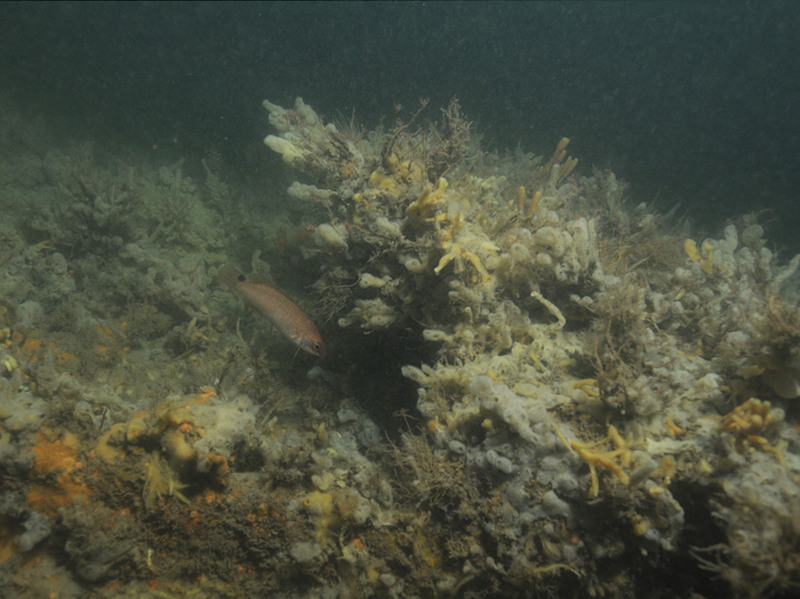
Circalittoral faunal communities in variable salinity
Photographer: Dr Keith Hiscock Copyright: Dr Keith Hiscock
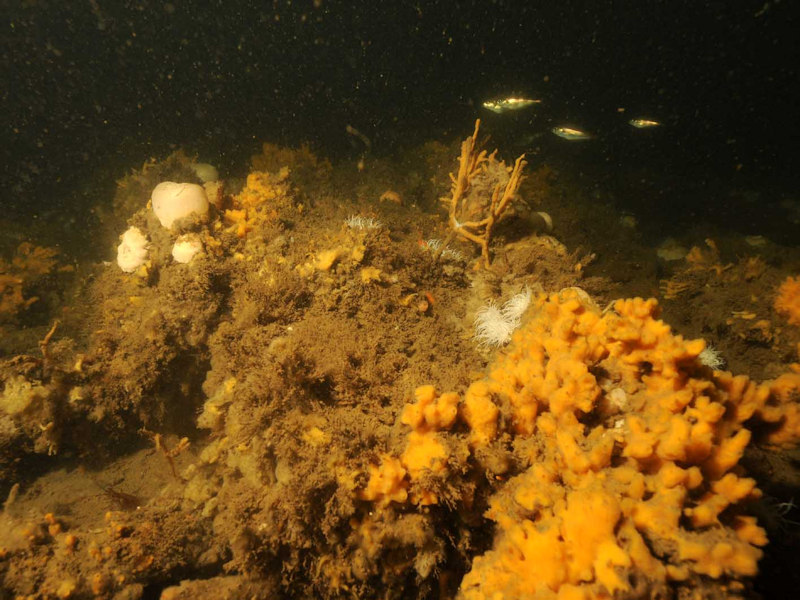
Circalittoral faunal communities in variable salinity
Photographer: Dr Keith Hiscock Copyright: Dr Keith Hiscock
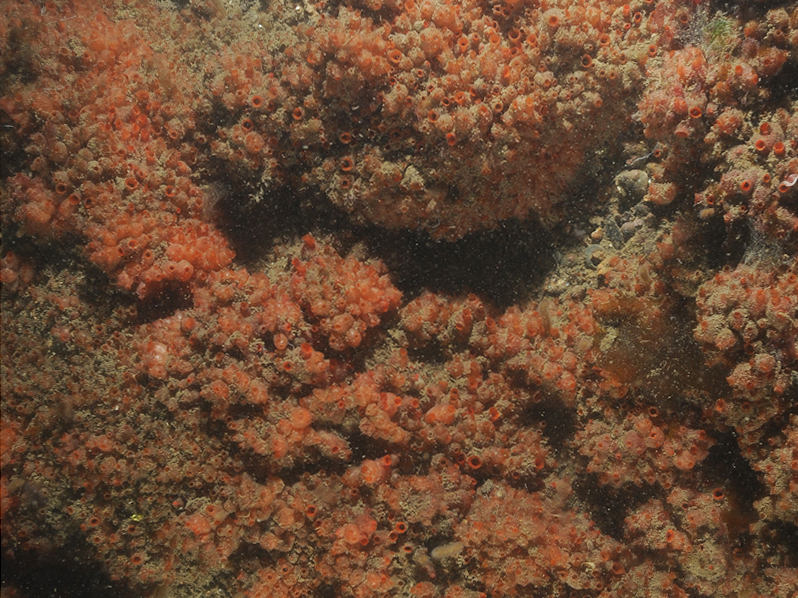
Circalittoral faunal communities in variable salinity
Photographer: Dr Keith Hiscock Copyright: Dr Keith Hiscock

| Researched by | John Readman, Kelsey Lloyd & Amy Watson | Refereed by | This information is not refereed |
|---|
Summary
UK and Ireland classification
Description
This biotope complex occurs on wave-sheltered, variable salinity bedrock and cobbles, subject to moderately strong to weak tidal streams. This complex contains a suite of sponges able to tolerate the variable salinity conditions likeHymeniacidon perleve, Suberites ficus, Halichondria panicea, Halichondria bowerbanki, Cliona celata and Leucosolenia botryoides. The barnacle Balanus crenatus is frequently recorded in this complex. A sparse hydroid/bryozoan turf composed primarily of Nemertesia antennina, Nemertesia ramosa, Plumularia setacea, Alcyonidium diaphanum andCrisularia plumosa is often recorded. Other species recorded are the ascidians Clavelina lepadiformis, Morchellium argus and Dendrodoa grossularia, the anemones Metridium senile and Sagartia troglodytes, the starfish Asterias rubens and the crab Carcinus maenas. Two biotopes have been identified within this complex: CuSpH (cushion sponges with hydroids) and HbowEud.
Depth range
5-10 m, 10-20 m, 20-30 mAdditional information
-
Listed By
Sensitivity review
Sensitivity characteristics of the habitat and relevant characteristic species
The CR.MCR.CFaVS biotope complex occurs on wave-sheltered, full or variable salinity bedrock and cobbles, subject to moderately strong to weak tidal streams and is characterized by its sponge communities comprised of species that are able to tolerate the variable salinity conditions , including Hymeniacidon perleve, Suberites ficus, Halichondria panicea, Halichondria bowerbanki, Cliona celata and Leucosolenia botryoides (Connor et al., 2004). The biotope complex is split between the sparse CR.MCR.CFaVS.HbowEud and the more diverse CR.MCR.CFaVS.CuSpH complex.
CR.MCR.CFaVS.CuSpH is found in variable salinity environments and tends to occur on the upper faces of circalittoral bedrock and boulders, in sheltered sites subject to moderately strong tidal streams. It is characterized by cushion sponges such as Hymeniacidon perleve, Halichondria panicea, Halichondria bowerbanki and Cliona celata with occasional hydroid tufts of Nemertesia antennina, Nemertesia ramosa and Plumularia setacea. This biotope is further split into CR.MCR.CFaVS.CuSpH.As and CR.MCR.CFaVS.CuSpH.Vs (Connor et al., 2004).
CR.MCR.CFaVS.CuSpH.As occurs in relatively shallow water (typically 5 m to 11 m water depth) and is dominated by a diverse range of cushion sponges, hydroids, and ascidians. It is characterized by large growths of sponge, with species including Suberites ficus, Hymeniacidon perleve, Cliona celata, Halichondria panicea, Raspailia ramosa and Amphilectus fucorum (previously Esperiopsis fucorum). Other epifauna present includes silt tolerant hydroids such as Nemertesia antennina, Nemertesia ramosa, Plumularia setacea, Hydrallmania falcata and Halecium halecinum. Ascidians such as Clavelina lepadiformis, Morchellium argus, Dendrodoa grossularia, Diplosoma listerianum and Distomus variolosus may all be observed (Connor et al., 2004).
CR.MCR.CFaVS.CuSpH.VS is closely related to CR.MCR.CFaVS.CuSpH.As, but occurs in areas that experience more turbid, lower salinity seawater and has a lower diversity of species. Halichondria panicea and Halichondria bowerbanki almost entirely cover the bedrock. Other sponges, (including Haliclona oculata, Suberites ficus, Leucosolenia botryoides, various hydroids such as Eudendrium spp., Plumularia setacea, Nemertesia antennina, Nemertesia ramosa and various bryozoans such as Bugula plumosa, Bugula turbinataand Bowerbankia pustulosa protude through the Halichondria spp. sponge growth. It is also similar to CR.MCR.CFaVS.HbowEud, although the latter lacks the diversity of hydroid species (Connor et al., 2004).
CR.MCR.CFaVS.HbowEud occurs in the moderately strong, tide-swept narrows near the entrance of Loch Etive (although not in the extremely tide-swept Falls of Lora). This sea loch is unique in having a substantial freshwater input from the surrounding moorland and is characterized by the sponge Halichondria bowerbanki which tolerates the brackish conditions and covers the cobble and boulder seabed with the hydroid Eudendrium arbusculum. Bryozoan such as Eucratea loricata and Alcyonidium diaphanum are occasional in most areas. Whilst other low salinity tolerant faunal species are present, the biotope is generally less species rich than the similar biotope complex CuSpH which develops in less brackish situations (Connor et al., 2004).
The biotopes host a large diversity of species. Therefore, the sensitivity is based on the important characterizing taxonomic and functional groups, i.e. hydroids and cushion sponges. The sensitivity of other species is discussed where relevant.
Resilience and recovery rates of habitat
Little information on sponge longevity and resilience exists. Reproduction can be asexual (e.g. budding) or sexual (Naylor, 2011) and individual sponges are usually hermaphrodites (Hayward & Ryland, 1994). Short-lived ciliated larvae are released via the aquiferous system of the sponges and metamorphosis follows settlement. Growth and reproduction are generally seasonal (Hayward & Ryland, 1994). Rejuvenation from fragments is also considered an important form of reproduction (Fish & Fish, 1996). Some sponges are known to be highly resilience to physical damage with an ability to survive severe damage, regenerate and reorganize to function fully again, however, this recoverability varies between species (Wulff, 2006).
Marine sponges often harbour dense and diverse microbial communities, which can include bacteria, archaea and single-celled eukaryotes (fungi and microalgae), and can comprise up to 40% of sponge volume, which may have a profound impact on host biology (Webster & Taylor, 2012). Many sponges recruit annually and growth can be rapid, with a lifespan of one to several years (Ackers, 1983). However sponge longevity and growth has been described as highly variable depending on the species and environmental conditions (Lancaster et al., 2014). It is likely that erect sponges are generally longer lived and slower growing given their more complex nature than smaller encrusting or cushion sponges.
Fowler & Laffoley (1993) monitored the marine nature reserves in Lundy and the Isles Scilly and found that a number of more common sponges showed great variation in size and cover during the study period. Large colonies appeared and vanished at some locations. Some large encrusting sponges went through periods of both growth and shrinkage, with considerable changes taking place from year to year. For example, Cliona celata colonies generally grew extremely rapidly, doubling their size or more each year, but in some years an apparent shrinkage in size also took place. In contrast, there were no obvious changes in the cover of certain unidentified thin encrusting sponges. Cliona celata occurs on rock and begins as a boring sponge, but can become massive and lobose with rounded ridges up to 40 cm across. It can withstand sediment (Ackers et al., 1992). Hymeniacidon perleve is found in thin sheets, cushions and rarely as erect and branching. It is found from the Arctic to the Mediterranean from the littoral to the circalittoral (Ackers et al., 1992). Leucosolenia botryoides usually occurs in mixed sediments, on shells and ascidians, on horizontal rock and is often found in sea lochs. It has been recorded as half buried in mud and sediment and is found from the Arctic to Mediterranean. (Ackers et al., 1992). Suberites ficus is encrusting to massive and lobose, firm and moderately elastic. It is found across the Arctic and Atlantic (Ackers et al., 1992). Raspaila ramosa is a branching sponge that is firm and elastic, however, the soft layer is easily rubbed from the strong axial core. It is found on sublittoral rock and boulders from moderately exposed sites to sheltered sites with some tidal current and it tolerates some silt (Ackers et al., 1992). Raspailia ramosa spawns in September (Lévi, 1956, cited from Van Soest, 2000).
Amphilectus fucorum (syn. Esperiopsis fucorum) is found in wide variety of situations and is distributed across the Atlantic coasts of Europe, from Norway to France (Ackers et al., 1992). Picton & Morrow (2015) described Amphilectus fucorum as extremely polymorphic and fast growing, changing shape in just a few weeks. It may be encrusting as thin sheets or cushions, massive and lobose, or branched. Hiscock (pers comm.) noted that Amphilectus fucorum has been found growing on short-lived ascidian tests and has shown significant seasonal variation in abundance, suggesting this sponge is highly resilient.
Halichondria bowerbanki is polymorphic, varying from a cushion to branching and is soft and very elastic, growing on rock or other animals, even ascidian tests. It reaches its maximal development in harbours and estuaries, being very tolerant of muddy and brackish conditions (Ackers et al., 1992). Halichondria panicea is very polymorphic, varying from thin sheets, massive forms and cushions to branching. It crumbles readily and branches are brittle (breaking if bent through 20°). An opportunistic species, it is found in wide range of niches on rock or any other hard substratum (Ackers et al., 1992). Barthel (1986) reported that Halichondria panicea in the Kiel Bight went through annual cycles, with growth occurring between March and July. After July, a strong decline in mean individual weight occurred until the end of September. No change in individual weight was observed over winter, although changes in biochemical composition (condition index and protein lipid and glycogen content) were noted. Reproductive activity occurred In August and September with young colonies appearing in early autumn. Adult Halichondria panicea degenerated and disintegrated after reproduction. Fish & Fish (1996), however, suggested a lifespan of about 3 years and Vethaak et al. (1982) reported that, unlike Halichondria bowerbanki, Halichondria panicea survives the winter in a normal, active state in the Oosterschelde. Vethaak et al. (1982) later reported that Halichondria bowerbanki goes into a dormant state below 4°C, characterized by major disintegration and loss of choanocyte chambers with many sponges surviving mild winters in more protected areas from where it can recolonize. Fell & Lewandrowski (1981) observed the population dynamics of Halichondria spp. within an eelgrass bed in the lower Mystic Estuary, Connecticut over a 2 year period. Large numbers of larval derived specimens developed on the eelgrass during the summer, and many of these sponges became sexually reproductive, further increasing the size of the population. However, mortality was high, and at the end of the summer only a relatively small sponge population remained. Sexual reproduction by larva-derived specimens of Halichondria spp. occurred primarily after breeding by the parental generation had declined. The larva-derived sponges grew rapidly, and the percentage of specimens containing large, female reproductive elements increases with specimen size. Halichondria spp. exhibited an opportunistic life strategy with a ‘high rate of turnover’. Gaino et al. (2010) observed reproduction within two communities of Hymeniacidon perlevis (syn. Hymeniacidon perleve). The onset of gametogenesis seemed to be triggered by environmental parameters, amongst which the water temperature constituted the most relevant factor statistically. It was reported that differentiation and growth of the sexual elements was asynchronous, with reproduction lasting five months for the females and three months for the males in the Mar Piccolo di Tarant, Italy, from the end of spring to the late summer. Afterwards, the sponges disappeared with no recovery evident up to the end of monitoring (an additional five months up to late winter 2007).
Ackers (1992) describes Halicondria bowerbanki growing on rock or other animals, even ascidian tests. It reaches its maximal development in harbours and estuaries, being very tolerant of muddy and brackish conditions and can be partly embedded in mud. Sutherland (1981) investigated the fouling community in North Carolina, US using short and long-term plates to observe recruitment to artificial surfaces. Halichondria assemblages recruited sporadically between June/July and end of October in some years but were not observed in others.
Thomassen & Riisgard (1995) described a number of studies looking at the growth rates of Halichondria spp. with rates of between 1% and 3.3% of total volume per day. Sebens (1985, 1986) monitored recolonization of epifauna on cleared vertical rock walls and described the sponge Halichondria panicea as reaching pre-clearance levels of cover after 2 years. Biggs & Brendan (2013) studied the effects of consolidation of rubble by sponges for coral recruitment over four years in Curaçao, Caribbean using Aplysina cauliformis, Aplysina spp., and Niphates erecta. They estimated conservatively that if 50% of the total volume of an individual were harvested to seed rubble piles, it would take roughly 1.5 to 3.5 years to replace, depending on the species.
Hydroids exhibit rapid rates of recovery from disturbance through repair, asexual reproduction and larval colonization. Sparks (1972) reviewed the regeneration abilities and rapid repair of injuries. Fragmentation of the hydroid provides a route for short distance dispersal, for example, each fragmented part of Sertularia cupressina can regenerate itself following damage (Berghahn & Offermann, 1999). New colonies of the same genotype may therefore arise through damage to existing colonies (Gili & Hughes, 1995). Many hydroid species also produce dormant, resting stages that are very resistant of environmental perturbation (Gili & Hughes 1995). Although colonies may be removed or destroyed, the resting stages may survive attached to the substratum and provide a mechanism for rapid recovery (Cornelius, 1995a; Kosevich & Marfenin, 1986). The lifecycle of hydroids typically alternates between an attached solitary or colonial polyp generation and a free-swimming medusa generation. Planulae larvae produced by hydroids typically metamorphose within 24 hours and crawl only a short distance away from the parent plant (Sommer, 1992). Gametes liberated from the medusae (or a vestigial sessile medusae) produce gametes that fuse to form zygotes that develop into free-swimming planula larvae (Hayward & Ryland, 1994) that are present in the water column between 2-20 days (Sommer, 1992). It has also been suggested that rafting on floating debris as dormant stages or reproductive adults (or on ships hulls or in ship ballast water), together with their potentially long lifespan, may have allowed hydroids to disperse over a wide area in the long-term and explain the near cosmopolitan distributions of many hydroid species (Cornelius, 1992; Boero & Bouillon, 1993). Hydroids are therefore classed as potential fouling organisms, rapidly colonizing a range of substrata placed in marine environments and are often the first organisms to colonize available space in settlement experiments (Gili & Hughes, 1995). For example, hydroids were reported to colonize an experimental artificial reef within less than 6 months, becoming abundant in the following year (Jensen et al., 1994). In similar studies, Obelia species recruited to the bases of reef slabs within three months and the slab surfaces within six months of the slabs being placed in the marine environment (Hatcher, 1998). Cornelius (1992) stated that Obelia spp. could form large colonies within a matter of weeks. In a study of the long-term effects of scallop dredging in the Irish Sea, Bradshaw et al. (2002) noted that hydroids increased in abundance, presumably because of their regeneration potential, good local recruitment and ability to colonize newly exposed substratum quickly. Cantero et al. (2002) describe fertility of Obelia dichotoma, Kirchenpaureria pinnata, Nemertesia ramosa in the Mediterranean as being year-round, whilst it should be noted that higher temperatures may play a factor in this year round fecundity. Bradshaw et al. (2002) observed that reproduction in Nemertesia antennina occurred regularly, with three generations per year. It was also observed that presence of adults stimulate larval settlement, therefore if any adults remain, reproduction is likely to result in local recruitment. Hayward & Ryland (1994) stated that medusae release in Obelia dichotoma occurred in summer.
Halecium halecinum is an erect hydroid growing up to 25 cm and is found on stones and shells in coastal areas. It is widely distributed in the Atlantic and is present from Svalbard to the Mediterranean (Hayward & Ryland, 1994; Palerud et al., 2004; Medel et al., 1998). Kirhchenpaueria pinnata has pinnate stems clustered on branched basal stolons which are commonly 3-10 cm in length. It is found on stones, algae and in pools from MLW to sublittoral, and is common off all British coasts and is present from Svalbard to Mediterranean (Hayward & Ryland, 1994; Palerud et al., 2004). Nemertesia ramosa grows up to 15 cm and is found inshore to deeper water and is common throughout the British Isles and is distributed from Iceland to north-west Africa (Hayward & Ryland, 1994).
Sea squirts (ascidians) are simultaneously hermaphroditic, sessile filter feeding chordates. Whilst the adults do not have a backbone, their free swimming, short-lived, ascidian larvae possess a notochord which is lost during metamorphosis into its sessile form. Solitary ascidians are discrete creatures which do not fuse with others (unlike colonial ascidians), but may still form dense beds (e.g. up to 5000 individuals/m² for Ciona intestinalis) (Naylor, 2011). Dendrodoa grossularia is a small solitary ascidian (1.5-2 cm diameter (Millar, 1954)). Settlement occurs from April-June, by the following summer individuals reach their maximum size. Life expectancy is expected to be 18-24months. Sexual maturity is reached within the second year of growth and the release of gametes occurs from spring-autumn, with peaks in early spring and another in late summer. Gamete release is reduced at temperatures above 15°C and totally suppressed above ca. 20°C (Millar, 1954). Kenny & Rees (1994) observed Dendrodoa grossularia was able to recolonize rapidly following aggregate dredging. Following experimental dredging of a site off the English coast, which extracted an area of 1-2 m wide and 0.3-0.5 m deep, Dendrodoa grossularia was able to recolonize and attained 40% of pre-dredge abundance and 23% of biomass within 8 months. This recover rate combined with the ability of this species to reach sexual maturity within its first year suggests that Dendrodoa grossularia can recover from disturbance events within 2 years.
Sebens (1985, 1986) described the recolonization of epifauna on vertical rock walls. Rapid colonizers such as encrusting corallines, encrusting bryozoans, amphipods and tubeworms recolonized within 1-4 months. Ascidians such as Dendrodoa carnea, Molgula manhattensis and Aplidium spp. achieved significant cover in less than a year, and, together with Halichondria panicea, reached pre-clearance levels of cover after 2 years. A few individuals of Alcyonium digitatum and Metridium senile colonized within 4 years (Sebens, 1986) and would probably take longer to reach pre-clearance levels.
Resilience assessment: Whilst fecundity, longevity and maturation are poorly understood in sponges, several reports indicate that cushion sponges are shorter lived and faster growing than erect sponges. Halichondria spp. are reported to be fast growing, with some examples considered fouling. Sebens (1986) reported that Halichondria panicea reached pre-clearance levels of cover within 2 years. It is probable that other sponges considered would not recover quite as quickly, but are likely to be highly resilient to moderate decline.The hydroids that characterize this biotope are likely to recover from damage very quickly. Based on the available evidence, recovery of the hydroid species is likely within two years) for any level of perturbation (where resistance is ‘None’, ‘Low’, ‘Medium’ or ‘High’). Depending on the season of the impact and level of recovery, recovery could occur within six months. Spawning has been reported as more or less year round in temperate conditions for both Ciona intestinalis (Yamaguchi, 1975; Caputi et al., 2015; MBA, 1957) and Ascidia mentula (Fish & Fish, 1996). Ciona intestinalis reaches sexual maturity at a body height of ca 2.5 -3 cm, with one to two generations per year and longevity of ca 1.5 years. (Fish & Fish, 1996). Sebens (1985, 1986) found that ascidians such as Dendrodoa carnea, Molgula manhattensis and Aplidium spp. achieved significant cover in less than a year, and, together with Halichondria panicea, reached pre-clearance levels of cover after 2 years.
If the community is completely removed from the habitat (resistance of ‘None’ or ‘Low’) resilience is assessed as ‘Medium’ (recovery within 2-10 years). However, if resistance is assessed as ‘Medium’ or ‘High’ then resilience will be assessed as ‘High’ (recovery within 2 years).
NB: The resilience and the ability to recover from human induced pressures is a combination of the environmental conditions of the site, the frequency (repeated disturbances versus a one-off event) and the intensity of the disturbance. Recovery of impacted populations will always be mediated by stochastic events and processes acting over different scales including, but not limited to, local habitat conditions, further impacts and processes such as larval-supply and recruitment between populations. Full recovery is defined as the return to the state of the habitat that existed prior to impact. This does not necessarily mean that every component species has returned to its prior condition, abundance or extent but that the relevant functional components are present and the habitat is structurally and functionally recognizable as the initial habitat of interest. It should be noted that the recovery rates are only indicative of the recovery potential.
Hydrological Pressures
Use [show more] / [show less] to open/close text displayed
| Resistance | Resilience | Sensitivity | |
Temperature increase (local) [Show more]Temperature increase (local)Benchmark. A 5°C increase in temperature for one month, or 2°C for one year. Further detail EvidenceAll characterizing sponges (Cliona celata, Halichondria bowerbanki, Halichondria panacea, Hymeniacidon perleve, Leucosolenia botryoides, Suberites ficus, Raspailia ramosa, Amphilectus fucorum) are widely distributed across the coasts of the British Isles and are all found from the Channel Isles to Northern Scotland (NBN, 2015). Berman et al. (2013) monitored sponge communities off Skomer Island, UK over three years with all characterizing sponges for this biotope assessed. Seawater temperature, turbidity, photosynthetically active radiation and wind speed were all recorded during the study. It was concluded that, despite changes in species composition, primarily driven by the non-characterizing Hymeraphia, Stellifera and Halicnemia patera, no significant difference in sponge density was recorded in all sites studied. Morphological changes most strongly correlated with a mixture of water visibility and temperature. Lemoine et al. (2007) studied the effects of thermal stress on the holobiont of the sponge Halichondria bowerbanki collected from Virginia, USA. Whilst no apparent change in density or diversity of symbionts was detected over the range of temperatures (29°C, 30°C and 31°C), the presence of particular symbionts was temperature dependent. Barthel (1986) reported that reproduction and growth in Halichondria panicea in the Kiel Bight were primarily driven by temperature, with higher temperatures corresponding with the highest growth. Cantero et al. (2002) described the presence and year-round fertility of Obelia dichotoma, Kirchenpaureria pinnata, Nemertesia ramosa and Halecium spp.in the Mediterranean, indicating probable tolerance to temperature increases at the benchmark figure. For the ascidian Dendrodoa grossularia, gamete release occurs from spring-autumn, with peaks in early spring and another in late summer. Gamete release is reduced at temperatures above 15°C and totally suppressed above ca 20°C (Miller, 1954). No information was found on the upper temperature threshold of mature Dendrodoa grossularia. Whilst widespread throughout the British Isles (NBN, 2015), a dramatic increase in temperature may cause mortality. Sensitivity assessment: The important characterizing species are distributed to the north and south of the British Isles and unlikely to be sensitivity to change at the benchmark level. Resistance is, therefore ‘High’, resilience is ‘High’ and the biotope is ‘Not Sensitive’ at the benchmark level. | HighHelp | HighHelp | Not sensitiveHelp |
Temperature decrease (local) [Show more]Temperature decrease (local)Benchmark. A 5°C decrease in temperature for one month, or 2°C for one year. Further detail EvidenceAll characterizing sponges (Cliona celata, Halichondria bowerbanki Halichondria panacea, Hymeniacidon perleve, Leucosolenia botryoides, Suberites ficus, Raspailia ramosa, Amphilectus fucorum) are widely distributed across the coasts of the British Isles and are all found from the Channel Isles to Northern Scotland (NBN, 2015). Berman et al. (2013) monitored sponge communities off Skomer Island, UK over three years with all characterizing sponges for this biotope assessed. seawater temperature, turbidity, photosynthetically active radiation and wind speed were all recorded during the study. It was concluded that, despite changes in species composition, primarily driven by the non-characterizing Hymeraphia Stellifera and Halicnemia patera, no significant difference in sponge density was recorded in all sites studied. Morphological changes most strongly correlated with a mixture of visibility and temperature. Some sponges do exhibit morphological strategies to cope with winter temperatures e.g. Halichondria bowerbanki goes into a dormant state below 4°C, characterized by major disintegration and loss of choanocyte chambers with many sponges surviving mild winters in more protected areas from where it can recolonize (Vethaak et al., 1982). Crisp (1964) observed the effects of an unusually cold winter (1962-63) on the marine life in Britain, including Porifera in North Wales. Whilst difficulty in distinguishing between mortality and delayed development was noted, Crisp found that Pachymastia johnstonia and Halichondria panicea were wholly or partly killed by frost and several species appeared to be missing including Amphilectus fucorum. Others, including Hymeniacidon perleve were unusually rare and a few species, including Polymastia boletiformis, were not seriously affected. Barthel (1986) reported that Halichondria panicea in the Kiel Bight degenerated and disintegrated after reproduction before winter, however, young colonies were observed from September. Palerud et al. (2004) described the presence of the characterizing hydroids Halecium halecinum and Nemertesia sp. in Svalbard, suggesting that these hydroids are probably tolerant of the lowest temperatures they are likely to encounter in Britain and Ireland of ca 4°C (Beszczynska-Möller & Dye, 2013). Dendrodoa grossularia has been recorded as an abundant component of benthic fauna in Nottinghambukta, Svalbard (Różycki & Gruszczyński, 1991). Sensitivity assessment: There is evidence of sponge mortality at extremely low temperatures in the British Isles. Given this evidence, it is likely that a cooling of 5°C for a month could potentially affect the characterizing sponges, and resistance has been assessed as ‘Medium’ with a resilience of ‘High’. Sensitivity has, therefore, been assessed as ‘Low’. | MediumHelp | HighHelp | LowHelp |
Salinity increase (local) [Show more]Salinity increase (local)Benchmark. A increase in one MNCR salinity category above the usual range of the biotope or habitat. Further detail EvidenceMarin et al. (1998) described the presence of Dysidea fragilis in a hypersaline coastal lagoon (42-47 g/l) in El Mar Menor, Spain. No evidence could be found for characterizing sponges. Studies on hydroids have found that prey capture rates may be affected by salinity and temperature (Gili & Hughes, 1995) although no evidence was found for species that characterize this biotope. This biotope occurs in Full salinity (Connor et al., 2004). An increase to hypersaline conditions is likely to affect the characterizing species, but ‘No evidence’ to support an assessment could be found. | No evidence (NEv)Help | Not relevant (NR)Help | No evidence (NEv)Help |
Salinity decrease (local) [Show more]Salinity decrease (local)Benchmark. A decrease in one MNCR salinity category above the usual range of the biotope or habitat. Further detail EvidenceCastric-Fey & Chassé (1991) conducted a factorial analysis of the subtidal rocky ecology near Brest, France and rated the distribution of species from estuarine to offshore conditions. Dysidea fragilis and Raspailia ramosa were rated as unaffected by salinity at this range. Cliona celata and Pachymatisma johnstonia had a slight preference for more estuarine conditions. Mean salinity difference across the study was low (35.1 and 33.8 ‰ respectively) but with a greater range being experienced in the Inner Rade (± 2.4‰ compared with± 0.1‰). It should be noted that the range of salinities identified in this study does not reach the lower benchmark level. Some of the characterizing species occur in harbours and estuaries, including Halichondria spp. and Hymeniacidon perleve (Ackers et al., 1992). Little evidence for the characterizing hydroids could be found. Stebbing (1981a) found that, for the hydroid Campanularia flexuosa, growth was inhibited in 70% seawater (ca 25‰) and that exposure to below 30% seawater (ca 10‰) was lethal after 3 days. Nemertesia spp. and Halecium halecinum were recorded as occurring in variable to full salinity biotopes (18-35 ‰). Dendrodoa grossularia has been recorded in biotopes occurring from full to low salinity regimes (<18-35 ‰). Sensitivity assessment. This biotope occurs in Full salinity. All characterizing species also appear in similar biotopes with lower salinities (Connor et al., 2004) and mortality is unlikely at the benchmark level, however, should a reduction in salinity be permanent, this may result in reclassification of the biotope. Resistance is ‘High’, resilience is ‘High’ and the biotope is ‘Not sensitive’ at the benchmark level. | HighHelp | HighHelp | Not sensitiveHelp |
Water flow (tidal current) changes (local) [Show more]Water flow (tidal current) changes (local)Benchmark. A change in peak mean spring bed flow velocity of between 0.1 m/s to 0.2 m/s for more than one year. Further detail EvidenceRiisgard et al. (1993) discussed the low energy cost of filtration for sponges and concluded that passive current-induced filtration may be insignificant for sponges. Pumping and filtering occurs in choanocyte cells that generate water currents in sponges using flagella (De Vos et al., 1991). Whilst little evidence for the characterizing sponges could be found, the important characterizing hydroids are typically found in places of low to moderate water movement, although Hayward & Ryland (1995b) note that abundant communities occur in narrow straits and headlands which may experience high levels of water flow. Hydroids can bend passively with water flow to reduce drag forces to prevent detachment and enhance feeding (Gili & Hughes, 1995). The hydroid growth form also varies to adapt to prevailing conditions, allowing species to occur in a variety of habitats (Gili & Hughes, 1995). In general, flow rates are an important factor for feeding in hydroids and prey capture appears to be higher in more turbulent conditions that prevent self-shading by the colony (Gili & Hughes, 1995). The capture rate of zooplankton by hydroids is correlated with prey abundance (Gili & Hughes, 1995), thus prey availability can compensate for sub-optimal flow rates. Water movements are also important to hydroids to prevent siltation which can cause death (Round et al., 1961). Tillin & Tyler-Walters (2014) suggest that the range of flow speeds experienced by biotopes in which hydroids are found indicate that a change (increase or decrease) in the maximum water flow experienced by mid-range populations for the short periods of peak spring tide flow would not have negative effects on this hydroids . As sessile filter feeders, ascidians generally require a reasonable water flow rate in order to ensure sufficient food availability. It was shown that in stagnant water, phytoplankton density became reduced in a 20-30 cm layer immediately above a dense colony of Ciona intestinalis (Riisgård et al., 1996). If dislodged, juvenile and adult ascidians have a limited capability to re-attach, given calm conditions and prolonged contact with the new substrata (Carver et al., 2006; Millar, 1971). Sensitivity assessment. The CR.MCR.CFaVS biotope group occurs in moderate water flow and low wave exposure. A significant decrease in water flow could result in a change to the CR.LCR.BrAs group of biotopes, whereas a significant increase may result in a change to CR.HCR.FaT. However, change at the benchmark level of 0.1-0.2 m/s is unlikely to be significant and resistance is therefore assessed as ‘High’, resilience is ‘High’ and the biotope is ‘Not sensitive’ at the benchmark level. | HighHelp | HighHelp | Not sensitiveHelp |
Emergence regime changes [Show more]Emergence regime changesBenchmark. 1) A change in the time covered or not covered by the sea for a period of ≥1 year or 2) an increase in relative sea level or decrease in high water level for ≥1 year. Further detail EvidenceChanges in emergence are not relevant to this biotope as it is restricted to fully subtidal/circalittoral conditions - the pressure benchmark is relevant only to littoral and shallow sublittoral fringe biotopes. | Not relevant (NR)Help | Not relevant (NR)Help | Not relevant (NR)Help |
Wave exposure changes (local) [Show more]Wave exposure changes (local)Benchmark. A change in near shore significant wave height of >3% but <5% for more than one year. Further detail EvidenceRoberts et al. (2006) studied deep sponge reef communities (18-20 m) in sheltered and exposed locations in Australia. They reported greater diversity and cover (>40% cover) of sponges in wave-sheltered areas compared with a sparser and more temporal cover in exposed sites (25% cover). Erect sponges dominated the sheltered sites while encrusting sponges dominated in exposed locations. Jackson (2004) reported that Nemertesia ramosa was intolerant of high wave exposure because it was only found in sheltered areas. Faucci et al. (2000) recorded hydroid communities at two sites of different wave exposure and recorded the presence of Obelia dichotoma and Halecium spp. in both the exposed and sheltered sites, but only found Kirchenpaueria sp. in the sheltered site. High energy wave action can be detrimental to ascidian populations. This is mainly through physical damage to the sea squirts and through the abrasive action of suspended sediment (Jackson, 2008). Ciona intestinalis is often dominant in highly sheltered areas such as harbours (Carver et al., 2006). Decreases in wave exposure are unlikely to have any effect. If dislodged, juvenile and adult Ciona intestinalis have a limited capability to re-attach, given calm conditions and prolonged contact with the new substratum (Carver et al., 2006; Jackson 2008; Millar, 1971) but increases in wave exposure above moderately exposed are likely to cause a proportion of the population to die, especially in the shallower examples of the biotope if the cobbles and pebbles on which the biotope occurs are mobilized by wave action. Ascidia mentula has rarely been recorded at depths shallower than 15 m (Svane, 1984), it is possible that damage could occur if subjected to increased wave exposure. Sensitivity Assessment. The CR.MCR.CFaVS biotope group occurs in moderate water flow and low wave exposure. Decrease in wave exposure is therefore not relevant, however, an increase in wave exposure is likely to result in fundamental change. Nevertheless, change at the benchmark level of 3-5% in wave height is unlikely to be significant and resistance is therefore assessed as ‘High’, resilience is ‘High’ and the biotope is ‘Not sensitive’ at the benchmark level. | HighHelp | HighHelp | Not sensitiveHelp |
Chemical Pressures
Use [show more] / [show less] to open/close text displayed
| Resistance | Resilience | Sensitivity | |
Transition elements & organo-metal contamination [Show more]Transition elements & organo-metal contaminationBenchmark. Exposure of marine species or habitat to one or more relevant contaminants via uncontrolled releases or incidental spills. Further detail EvidenceThis pressure is Not assessed but evidence is presented where available. While some sponges, such as Cliona spp. have been used to monitor heavy metals by looking at the associated bacterial community (Marques et al., 2007; Bauvais et al., 2015), no literature on the effects of transition element or organo-metal pollutants on the characterizing sponges could be found. Although no information on the effects of heavy metals on the assessed hydroids was found, evidence suggests that hydroids may suffer at least sub-lethal effects and possibly morphological changes and reduced growth due to heavy metal contamination. Various heavy metals have been shown to have sublethal effects on growth in the few hydroids studied experimentally (Bryan, 1984). Stebbing (1981a) reported that Cu, Cd, and tributyl tin fluoride affected growth regulators in Laomedea (as Campanularia) flexuosa resulting in increased growth. Stebbing (1976) reported that 1 µg/l Hg2+ was stimulatory, although the effect was transitory, exposure resulting in reduced growth towards the end of his 11 day experiments. Cadmium (Cd) was reported to cause irreversible retraction of 50% of hydranths in Laomedea loveni after 7 days exposure at concentrations between 3 µg/l (at 17.5 °C and 10 ppt salinity) and 80 µg/l (at 7.5 °C and 25 ppt salinity) (Theede et al., 1979). Laomedea loveni was more tolerant of Cd exposure at low temperatures and low salinities. Karbe (1972, summary only) examined the effects of heavy metals on the hydroid Eirene viridula (Campanulidae). He noted that Cd and Hg caused cumulative effects and morphological changes. Mercury (Hg) caused irreversible damage at concentrations as low as 0.02 ppm. He reported threshold levels of heavy metals for acute effects in Eirene viridula of 1.5-3 ppm Zn, 1-3 ppm Pb, 0.1-0.3 ppm Cd, 0.03-0.06 ppm Cu and 0.001-0.003 ppm Hg. Karbe (1972, summary only) suggested that Eirene viridula was a sensitive test organism when compared to other organisms. Trace metals (particularly mercury and copper) have been found to affect embryogenesis and larval settlement in Ciona intestinalis (Bellas et al., 2004). Whilst there are extensive studies of larval intolerance to TBT (Mansueto et al., 1993, Pellerito et al., 1996, Bellas, 2005) and zinc pyrithione (Bellas, 2005), data appears non-existent for the adult stage. Chesher (1971) found that Ascidia niagra was surprisingly intolerant of desalination effluent (50% mortality in 5.8% effluent solution after 96 hours), far less tolerant than the other species included in the study (echinoids, crabs and gorgonians). Whilst presence of copper was considered the most deleterious factor across the study, the increased sensitivity of the ascidians was attributed to synergistic copper and temperature effects, although the presence of other contaminants (e.g. nickel) could not be ruled out (Chesher, 1971). | Not Assessed (NA)Help | Not assessed (NA)Help | Not assessed (NA)Help |
Hydrocarbon & PAH contamination [Show more]Hydrocarbon & PAH contaminationBenchmark. Exposure of marine species or habitat to one or more relevant contaminants via uncontrolled releases or incidental spills. Further detail EvidenceThis pressure is Not assessed but evidence is presented where available. Oil pollution is mainly a surface phenomenon its impact upon circalittoral turf communities is likely to be limited. However, as in the case of the Prestige oil spill off the coast of France, high swell and winds can cause oil pollutants to mix with the seawater and potentially negatively affect sublittoral habitats (Castège et al., 2014). Filter feeders are highly sensitive to oil pollution, particularly those inhabiting the tidal zones which experience high exposure and show correspondingly high mortality, as are bottom dwelling organisms in areas where oil components are deposited by sedimentation (Zahn et al., 1981). Tethya lyncurium concentrated BaP (benzo[a ]pyrene) to 40 times the external concentration and no significant repair of DNA was observed in the sponges, which, in higher animals, would likely lead to cancers. As sponge cells are not organized into organs the long-term effects are uncertain (Zahn et al., 1981). Ignatiades & Becacos-Kontos (1970) found that Ciona intestinalis can resist the toxicity of oil polluted water and ascidians are frequently found in polluted habitats such as marinas and harbours, etc. (Carver et al., 2006) as well as Ascidia mentula (Aneiros et al., 2015). | Not Assessed (NA)Help | Not assessed (NA)Help | Not assessed (NA)Help |
Synthetic compound contamination [Show more]Synthetic compound contaminationBenchmark. Exposure of marine species or habitat to one or more relevant contaminants via uncontrolled releases or incidental spills. Further detail EvidenceThis pressure is Not assessed but evidence is presented where available. The species richness of hydroid communities decreases with increasing pollution but hydroid species adapted to a wide variation in environmental factors and with cosmopolitan distributions tend to be more tolerant of polluted waters (Boero, 1984; Gili & Hughes, 1995). Stebbing (1981) reported that Cu, Cd, and tributyl tin fluoride affected growth regulators in Laomedea (as Campanularia) flexuosa resulting in increased growth. Stebbing (1981a) cited reports of growth stimulation in Obelia geniculata caused by methyl cholanthrene and dibenzanthrene. Bryan & Gibbs (1991) reported that virtually no hydroids were present on hard bottom communities in TBT contaminated sites and suggested that some hydroids were intolerant of TBT levels between 100 and 500 ng/l. No information concerning the resistance of the characteristic hydroids was found. However, the above evidence suggests that several species of hydroid exhibit sublethal effects due to synthetic chemical contamination and lethal effects due to TBT contamination. | Not Assessed (NA)Help | Not assessed (NA)Help | Not assessed (NA)Help |
Radionuclide contamination [Show more]Radionuclide contaminationBenchmark. An increase in 10µGy/h above background levels. Further detail Evidence'No evidence' | No evidence (NEv)Help | Not relevant (NR)Help | No evidence (NEv)Help |
Introduction of other substances [Show more]Introduction of other substancesBenchmark. Exposure of marine species or habitat to one or more relevant contaminants via uncontrolled releases or incidental spills. Further detail EvidenceThis pressure is Not assessed. | Not Assessed (NA)Help | Not assessed (NA)Help | Not assessed (NA)Help |
De-oxygenation [Show more]De-oxygenationBenchmark. Exposure to dissolved oxygen concentration of less than or equal to 2 mg/l for one week (a change from WFD poor status to bad status). Further detail EvidenceIn general, respiration in most marine invertebrates does not appear to be significantly affected until extremely low concentrations are reached. For many benthic invertebrates, this concentration is about 2 ml/l (Herreid, 1980; Rosenberg et al., 1991; Diaz & Rosenberg, 1995). Cole et al. (1999) suggested possible adverse effects on marine species below 4 mg/l and probable adverse effects below 2 mg/l. Hiscock & Hoare (1975) reported an oxycline forming in the summer months (Jun-Sep) in a quarry lake (Abereiddy, Pembrokeshire) from close to full oxygen saturation at the surface to <5% saturation (ca 0.5 mg/l) below ca 10 m. Despite the presence of Tethya aurantia, Kirchenpaueria pinnata, Hymeniacidon pereleve, Polymastia boletiformis or Ascidia mentula in shallower, no sponges or ascidians were recorded at depths below the oxycline at 10 - 11 m. Demosponges maintained under laboratory conditions can tolerate hypoxic conditions for brief periods. (Gunda & Janapala, 2009) investigated the effects of variable dissolved oxygen (DO) levels on the survival of the marine sponge, Haliclona pigmentifera. Under hypoxic conditions (1.5-2.0 ppm DO), Haliclona pigmentifera with intact ectodermal layers and subtle oscula survived for 42 ± 3 days. Sponges with prominent oscula, foreign material, and damaged pinacoderm exhibited poor survival (of 1-9 days) under similar conditions. Complete mortality of the sponges occurred within 2 days under anoxic conditions of <0.3 ppm DO (ca 0.3 mg/l). Hydroids mainly inhabit environments in which the oxygen concentration exceeds 5 ml/l (ca 7 mg/l) (Gili & Hughes, 1995). Although no information was found on oxygen consumption for the characterizing hydroids, Sagasti et al. (2000) reported that epifaunal species, including several hydroids and Obelia bidentata (as bicuspidata) in the York River, Chesapeake Bay, tolerated summer hypoxic episodes of between 0.5 and 2 mg O2/l (0.36 and 1.4 ml/l) for 5-7 days at a time, with few changes in abundance or species composition. The ability of solitary ascidians to withstand decreasing oxygen levels has not been well documented. Mazouni et al. (2001) noted that whilst oysters (Magallana gigas) can survive short-term exposure to periods of anoxia (Thau Lagoon, France), the associated biofouling community dominated by Ciona intestinalis suffered heavy mortality. It should be noted, however, that Ciona intestinalis is frequently found in areas with restricted water renewal where oxygen concentrations may drop (Carver et al., 2006). Whilst adverse conditions could affect health, feeding, reproductive capability and could eventually lead to mortality, recovery should be rapid. Sensitivity assessment. Resistance is recorded as ‘Low’, with a resilience of ‘Medium’ and sensitivity is classed as 'Medium'. Due to the lack of specific data for these species, confidence is recorded as ‘Low’. | LowHelp | MediumHelp | MediumHelp |
Nutrient enrichment [Show more]Nutrient enrichmentBenchmark. Compliance with WFD criteria for good status. Further detail EvidenceGochfeld et al. (2012) studied the effect of nutrient enrichment (≤0.05 to 0.07 μM for nitrate and ≤0.5 μM for phosphate) as a potential stressor in Aplysina caulifornis and its bacterial symbionts and found that nutrient enrichment had no effects on sponge or symbiont physiology when compared to control conditions. This study does contradict findings in Gochfeld et al. (2007) in which Aplysina spp. were virtually absent from a site of anthropogenic stress in Bocas del Toro, Panama, which experienced high rainfall and terrestrial runoff. The author suggested that whilst this site did include elevated nutrient concentrations, other pressures and stresses could be contributing to its absence. Rose & Risk (1985) described an increase in abundance of Cliona delitrix in organically polluted section of Grand Cayman fringing reef affected by the discharge of untreated faecal sewage. Ward-Paige et al. (2005) described the greatest size and biomass of clionids corresponded with the highest nitrogen, ammonia and ɗ15N levels. Witt et al. (2004) found that the hydroid Obelia spp. was more abundant in a sewage disposal area in the Weser estuary (Germany) which experienced sedimentation of 1 cm for more than 25 days. It should be noted that another hydroid (Sertularia cupressina) was reduced in abundance when compared with control reference areas. Ascidia mentula has been reported in Iberian bays subject to both nutrient-rich upwelling events and anthropogenic pollution (Aneiros et al., 2015). There is some suggestion that there are possible benefits to ascidians from increased organic content of water; ascidian ‘richness’ in Algeciras Bay was found to increase in higher concentrations of suspended organic matter (Naranjo et al. 1996). Nevertheless, this biotope is considered to be 'Not sensitive' at the pressure benchmark, that assumes compliance with all relevant environmental protection standards. | Not relevant (NR)Help | Not relevant (NR)Help | Not sensitiveHelp |
Organic enrichment [Show more]Organic enrichmentBenchmark. A deposit of 100 gC/m2/yr. Further detail EvidenceSome of the characterizing sponges occur in harbours and estuaries, including Halichondria spp. and Hymeniacidon perleve (Ackers et al., 1992) and may, therefore, tolerate high levels of organic carbon. Fu et al. (2007) described Hymeniacidon perleve in aquaculture ecosystems in sterilized natural seawater with different concentrations of total organic carbon (TOC), at several concentrations between 52.9 and 335.13 mg/L). Hymeniacidon perleve removed 44–61% TOC during 24 h, with retention rates of ca. 0.19–1.06 mg/hr ·g-fresh sponge. Hymeniacidon perleve removed organic carbon excreted by Fugu rubripes with similar retention rates of ca. 0.15 mg/h · g-fresh sponge, and the sponge biomass increased by 22.8%. Rose & Risk (1985) described an increase in abundance of the sponge Cliona delitrix in an organically polluted section of Grand Cayman fringing reef affected by the discharge of untreated faecal sewage. Witt et al. (2004) found that the hydroid Obelia spp. was more abundant in a sewage disposal area in the Weser estuary (Germany), which experienced sedimentation of 1 cm for more than 25 days. However, another hydroid (Sertularia cupressina) was reduced in abundance when compared with unimpacted reference areas. As suspension feeders, an increase in organic content at the benchmark is likely to be of benefit to the characterizing hydroids. There is some suggestion that there are possible benefits to the ascidians from increased organic content of water; Ascidian ‘richness’ in Algeciras Bay was found to increase in higher concentrations of suspended organic matter (Naranjo et al., 1996). Kocak & Kucuksezgin (2000) noted that Ciona intestinalis was one of the rapid breeding opportunistic species that tended to be dominant in Turkish harbours enriched by organic pollutants and was frequently found in polluted environments (Carver et al., 2006). Ascidia mentula has been reported in Iberian bays subject to both nutrient-rich upwelling events and anthropogenic organic pollution (Aneiros et al., 2015). Sensitivity assessment: The above evidence suggests that resistance to this pressure is s 'High'. Therefore, resilience is assessed as 'High' and the biotope is therefore considered to be 'Not sensitive'. | HighHelp | HighHelp | Not sensitiveHelp |
Physical Pressures
Use [show more] / [show less] to open/close text displayed
| Resistance | Resilience | Sensitivity | |
Physical loss (to land or freshwater habitat) [Show more]Physical loss (to land or freshwater habitat)Benchmark. A permanent loss of existing saline habitat within the site. Further detail EvidenceAll marine habitats and benthic species are considered to have a resistance of ‘None’ to this pressure and to be unable to recover from a permanent loss of habitat (resilience is ‘Very low’). Sensitivity within the direct spatial footprint of this pressure is, therefore, ‘High’. Although no specific evidence is described confidence in this assessment is ‘High’, due to the incontrovertible nature of this pressure. | NoneHelp | Very LowHelp | HighHelp |
Physical change (to another seabed type) [Show more]Physical change (to another seabed type)Benchmark. Permanent change from sedimentary or soft rock substrata to hard rock or artificial substrata or vice-versa. Further detail EvidenceIf rock were replaced with sediment, this would represent a fundamental change to the physical character of the biotope and the species would be unlikely to recover. The biotope would be lost. Sensitivity assessment. Resistance to the pressure is considered ‘None’, and resilience ‘Very low’. Sensitivity has been assessed as ‘High’. | NoneHelp | Very LowHelp | HighHelp |
Physical change (to another sediment type) [Show more]Physical change (to another sediment type)Benchmark. Permanent change in one Folk class (based on UK SeaMap simplified classification). Further detail Evidence‘Not relevant’ to biotopes occurring on bedrock. | Not relevant (NR)Help | Not relevant (NR)Help | Not relevant (NR)Help |
Habitat structure changes - removal of substratum (extraction) [Show more]Habitat structure changes - removal of substratum (extraction)Benchmark. The extraction of substratum to 30 cm (where substratum includes sediments and soft rock but excludes hard bedrock). Further detail EvidenceThe species characterizing this biotope are epifauna or epiflora occurring on rock and would be sensitive to the removal of the habitat. However, extraction of rock substratum is considered unlikely and this pressure is considered to be ‘Not relevant’ to hard substratum habitats. | Not relevant (NR)Help | Not relevant (NR)Help | Not relevant (NR)Help |
Abrasion / disturbance of the surface of the substratum or seabed [Show more]Abrasion / disturbance of the surface of the substratum or seabedBenchmark. Damage to surface features (e.g. species and physical structures within the habitat). Further detail EvidenceVan Dolah et al. (1987) studied the effects on sponges and corals of one trawl event over a low-relief hard bottom habitat off Georgia, US. The densities of individuals taller than 10 cm of three species of sponges in the trawl path and in adjacent control area were assessed by divers and were compared before, immediately after and 12 months after trawling. Of the total number of sponges remaining in in the trawled area, 32% were damaged. Most of the affected sponges were the barrel sponges Cliona spp., whereas other sponges including Haliclona oculta and Ircina campana were not significantly affected, the abundance of sponges had increased to pre-trawl densities or greater12 months after trawling. Tilmant (1979) found that, following a shrimp trawl in Florida, US, over 50% of sponges, including Neopetrosia, Spheciospongia, Spongia and Hippiospongia, were torn loose from the bottom. The highest damage incidence occurred to the finger sponge Neopetrosia longleyi. Size did not appear to be important in determining whether a sponge was affected by the trawl. Recovery was ongoing, but not complete 11 months after the trawl, although no specific data was provided. Boulcott & Howell (2011) conducted experimental Newhaven scallop dredging over a circalittoral rock habitat in the sound of Jura, Scotland and recorded the damage to the resident community. The results the sponge Pachymatisma johnstoni was highly damaged by the experimental trawl. However, other members of the faunal turf community were not as vulnerable to damage through trawling as sedimentary fauna and whilst damage to circalittoral rock fauna did occur, it was of an incremental nature, with the loss of faunal turf communities increasing with repeated trawls. The ascidians are epifaunal and physical disturbance is likely to cause damage with mortality likely. Emergent epifauna are generally very intolerant of disturbance from fishing gear (Jennings & Kaiser, 1998). However, studies have shown Ascidia spp. to become more abundant following disturbance events (Bradshaw et al., 2000). Resampling of grounds that were historically studied (from the 1930s) indicates that some species have increased in areas subject to scallop fishing (Bradshaw et al., 2002). This study also found a (unquantified) increase in abundance of tough stemmed hydroids including Nemertesia pp., Bradshaw et al. (2002) suggested that as well as having high resistance to abrasion pressures, Nemertesia spp. have benthic larvae that could rapidly colonize disturbed areas with newly exposed substrata close to the adult. Hydroids may also recover rapidly as the surface covering of hydrorhizae may remain largely intact, from which new uprights are likely to grow. In addition, the resultant fragments of colonies may be able to develop into new colonies. Hydroid colonies were still present in the heavily fished area, albeit at lower densities than in the closed area. This may largely be because the Isle of Man scallop fishery is closed from 1st June to 31st October (Andrews et al., 2011), so at the time the samples were taken for the study in question, the seabed had been undredged for at least 3.5 months. The summer period is also the peak growing/breeding season for many marine species. (Bradshaw et al., 2003). Sensitivity assessment. Whilst a large proportion of the sponge community is likely to be affected by abrasion events, there is some debate as it the level of effects depending on the size of the sponge and the type of abrasion effect (Coleman et al., 2013). The majority of the literature agrees that damage would fall within the ‘Low’ bracket of 25-75% reduction. Ascidians are also likely to be significantly affected, although, given their high resilience, they are likely to recover quickly. The assessment is, therefore, based on the sponge component of the biotope. Therefore, resistance is assessed as ‘Low’, resilience as ‘Medium’ and a sensitivity of ‘Medium’ is recorded. | LowHelp | MediumHelp | MediumHelp |
Penetration or disturbance of the substratum subsurface [Show more]Penetration or disturbance of the substratum subsurfaceBenchmark. Damage to sub-surface features (e.g. species and physical structures within the habitat). Further detail EvidenceThe species characterizing this biotope group are epifauna or epiflora occurring on rock which is resistant to subsurface penetration. The assessment for abrasion at the surface only is therefore considered to equally represent sensitivity to this pressure. This pressure is thought ‘Not relevant’ to hard rock biotopes. | Not relevant (NR)Help | Not relevant (NR)Help | Not relevant (NR)Help |
Changes in suspended solids (water clarity) [Show more]Changes in suspended solids (water clarity)Benchmark. A change in one rank on the WFD (Water Framework Directive) scale e.g. from clear to intermediate for one year. Further detail EvidenceDespite sediment being considered to have a negative impact on suspension feeders (Gerrodette & Flechsig, 1979), many encrusting sponges appear to be able to survive in highly sedimented conditions and, in fact, many species prefer such habitats (Schönberg, 2015; Bell & Barnes, 2000; Bell & Smith, 2004). Castric-Fey & Chassé (1991) conducted a factorial analysis of the subtidal rocky ecology near Brest, France and rated the distribution of species in varying turbidity (corroborated by the depth at which laminarians disappeared). Cliona celata and Stelligera rigida were classed as indifferent to turbidity, Tethya aurantium, Pachymatisma johnstonia and Polymastia boletiformis (as Polymastia robusta) had a slight preference for clearer water, while Dysidea fragilis, Polymastia mamillaris, and Raspailia ramosa had a strong preference for turbid water. Some of the characterizing sponges occur in harbours and estuaries, including Halichondria spp. and Hymeniacidon perleve (Ackers et al., 1992). Storr (1976) observed the sponge Sphecispongia vesparium ‘back washing’ to eject sediment and noted that other sponges (such as Condrilla nucula) use secretions to remove settled material. Raspailia ramosa and Stelligera stuposa have a reduced maximum size in areas of high sedimentation (Bell et al., 2002). Tjensvoll et al. (2013) found that Geodia barretti physiologically shuts down (86% reduction in respiration) when exposed to sediment concentrations of 100 mg /l. Rapid recovery to initial respiration levels directly after the exposure indicated that Geodia barretti can cope with a single short exposure to elevated sediment concentrations. It should be noted that many of the characterizing sponges have been recorded in the turbid biotope CR.MCR.CFaVS.CuSpH.Vs (Connor et al., 2004) and resistance to suspended solids in these species are likely to be high. CR.MCR.CFaVS.CuSpH.Vs occurs in estuarine waters and therefore the species in the biotope are likely to be well adapted to turbid conditions. Wass et al. (1997) described suspended sediment maxima for ‘medium’ sized rivers as rarely exceeding 500 mg/l, with a few rivers (including the Don and the Swale) experiencing concentrations in excess of 1000 mg/l. Langston et al. (2003) described annual mean suspended sediment concentrations in the Tamar as varying from 61 mg/l to 1039 mg/l in the upper estuary, 6 to 18 mg/l in the outer estuary and 2 to 9 mg/l beyond. It should be noted that the values quoted are mean annual concentrations and the same report states that conditions could be ‘very turbid’ in the outer estuary. The estuarine turbidity maximum (the point at which highest turbidity is experienced) can be highly variable and has been reported to move by ca 12 km down-estuary during the transition from neap to spring tides in the Humber estuary (Uncles et al., 2006). Estuarine environments are likely to experience variable turbidity and the species present are probably tolerant of significant short-term changes in suspended solid concentrations. Long-term increase in turbidity may affect primary production in the water column and, therefore, reduce the availability of diatom food, both for suspension feeders and deposit feeders. In addition, primary production by the microphytobenthos on the sediment surface may be reduced, further decreasing food availability for deposit feeders. However, primary production is probably not a major source of nutrient input into the system and, furthermore, phytoplankton will also immigrate from distant areas and so the effect may be decreased. Sensitivity assessment. This biotope occurs in moderate flow in variable salinity. A large proportion of the characterizing species have been recorded in the turbid biotope CR.MCR.CFaVS.CuSpH.Vs (Connor et al., 2004). Mortality at the benchmark level is therefore considered unlikely and resistance is ‘High’, resilience is ‘High’ and the biotope is ‘Not sensitive’. The lack of evidence for characterizing species, as well as a lack of consensus in the literature result in a ‘Low’ quality confidence score. | HighHelp | HighHelp | Not sensitiveHelp |
Smothering and siltation rate changes (light) [Show more]Smothering and siltation rate changes (light)Benchmark. ‘Light’ deposition of up to 5 cm of fine material added to the seabed in a single discrete event. Further detail EvidenceDespite sediment being considered to have a negative impact on suspension feeders (Gerrodette & Flechsig, 1979), many encrusting sponges appear to be able to survive in highly sedimented conditions and, in fact, many species prefer such habitats (Schönberg, 2015; Bell & Barnes 2000; Bell & Smith, 2004). However, Wulff (2006) described mortality in three sponge groups after four weeks of complete burial under sediment; 16% of Amphimedon biomass died compared with 40% and 47% in Iotrochota and Aplysina respectively. Ackers et al. (1992) reported that Halichondria bowerbanki can be partly embedded in mud. In general, it appears that hydroids are sensitive to silting (Boero, 1984; Gili & Hughes, 1995) and decline in beds in the Wadden Sea have been linked to environmental changes including siltation. Round et al. (1961) reported that the hydroid Sertularia (now Amphisbetia) operculata died when covered with a layer of silt after being transplanted to sheltered conditions. Boero (1984) suggested that deep water hydroid species develop upright, thin colonies that accumulate little sediment, while species in turbulent water movement were adequately cleaned of silt by water movement. Hughes (1977) found that maturing hydroids that had been smothered with detritus and silt lost most of the hydrocladia and hydranths. After one month, the hydroids were seen to have recovered but although neither the growth rate nor the reproductive potential appeared to have been affected, the viability of the planulae may have been affected. Nemertesia ramosa is an upright hydroid with a height of up to 15 cm. The colony structure is fairly tough and flexible. Smothering with 5 cm of sediment may cover some individuals, while others may just have the lower section of the main stem covered (Hayward & Ryland, 1994). Halecium halecinum can grow up to 25 cm and Kirchenpaueria pinnata can grow to ca 10 cm (Hayward & Ryland, 1994). Some of the community is, therefore, likely to survive smothering by 5 cm. The solitary ascidians considered in this report are permanently attached to the substratum and are active suspension feeders. The complete disappearance of the sea squirt Ascidiella aspera biocoenosis and ‘associated sponges’ in the Black Sea near the Kerch Strait was attributed to siltation (Terent'ev, 2008 cited in Tillin & Tyler-Walters, 2014). Dendrodoa grossularia is a small ascidian, capable of reaching a size of approx 8.5 mm (Millar, 1954) and is, therefore, likely to be inundated by deposition of 5 cm of sediment. Sensitivity assessment. Smothering by 5 cm of sediment is likely to impact hydroids, ascidian and sponge species, however, it is likely that enough of the population would survive to recover quite rapidly should the thin layer of sediment be removed. Resistance has been assessed as ‘Medium’, resilience as ‘High’ and sensitivity has been assessed as ‘Low’ at the benchmark level. | MediumHelp | HighHelp | LowHelp |
Smothering and siltation rate changes (heavy) [Show more]Smothering and siltation rate changes (heavy)Benchmark. ‘Heavy’ deposition of up to 30 cm of fine material added to the seabed in a single discrete event. Further detail EvidenceDespite sediment being considered to have a negative impact on suspension feeders (Gerrodette & Flechsig, 1979), many encrusting sponges appear to be able to survive in highly sedimented conditions and, in fact, many species prefer such habitats (Schönberg, 2015; Bell & Barnes 2000; Bell & Smith 2004). However, Wulff (2006) described mortality in three sponge groups following four weeks of complete burial under sediment. 16% of Amphimedon biomass died compared with 40% and 47% in Iotrochota and Aplysina respectively. In 30 cm of deposition, the majority of sponges are likely to be buried, unless the topography of the biotope includes many vertical surfaces. In general, it appears that hydroids are sensitive to silting (Boero, 1984; Gili & Hughes, 1995) and decline in beds in the Wadden Sea have been linked to environmental changes including siltation. Round et al., 1961 reported that the hydroid Sertularia (now Amphisbetia) operculata died when covered with a layer of silt after being transplanted to sheltered conditions. Boero (1984) suggested that deep water hydroid species develop upright, thin colonies that accumulate little sediment, while species in turbulent water movement were adequately cleaned of silt by water movement. Nemertesia ramosa is an upright hydroid with a height of up to 15 cm. The colony structure is fairly tough and flexible (Hayward & Ryland, 1994). Monosipphonic Obelia dichotoma stems grow to 5 cm, polysiphonic structures can reach up to 35 cm in height, Halecium halecinumcan grow up to 25 cm and Kirchenpaueria pinnata can grow to ca 10 cm (Hayward & Ryland, 1994). Smothering by 30 cm of material is likely to cover almost all the hydroids. Hughes (1977) found that maturing hydroids that had been smothered with detritus and silt lost most of the hydrocladia and hydranths. After one month, the hydroids were seen to have recovered but, although neither the growth rate nor the reproductive potential appeared to have been affected, the viability of the planulae may have been affected. Therefore, if the deposition is removed fairly rapidly, the impact may be limited. The solitary ascidians considered in this report are permanently attached to the substratum and are active suspension feeder. The complete disappearance of the sea squirt Ascidiella aspera biocoenosis and associated sponges in the Black Sea near the Kerch Strait was attributed to siltation (Terent'ev 2008 cited in Tillin & Tyler-Walters, 2014). Dendrodoa grossularia is a small ascidian, capable of reaching a size of approx 8.5 mm (Millar, 1954) and is, therefore, likely to be inundated by deposition of 30 cm of sediment. Sensitivity assessment. Smothering by 30 cm of sediment is likely to cause mortality amongst the majority of characterizing and important species of these biotopes and impact recovery unless the sediment is removed. However, vertical surfaces may protect a proportion of the population, so that the effects will depend on the topography of the substratum and sediment is likely to be removed rapidly. Resistance at the benchmark has been assessed as ‘Low’. Resilience is assessed as ‘Medium’ and sensitivity has been assessed as ‘Medium’. | LowHelp | LowHelp | HighHelp |
Litter [Show more]LitterBenchmark. The introduction of man-made objects able to cause physical harm (surface, water column, seafloor or strandline). Further detail EvidenceNot assessed. | Not Assessed (NA)Help | Not assessed (NA)Help | Not assessed (NA)Help |
Electromagnetic changes [Show more]Electromagnetic changesBenchmark. A local electric field of 1 V/m or a local magnetic field of 10 µT. Further detail Evidence‘No evidence’ was found to assess this pressure. | No evidence (NEv)Help | Not relevant (NR)Help | No evidence (NEv)Help |
Underwater noise changes [Show more]Underwater noise changesBenchmark. MSFD indicator levels (SEL or peak SPL) exceeded for 20% of days in a calendar year. Further detail EvidenceWhilst no evidence could be found for the effect of noise or vibrations on the characterizing species of these biotopes, it is unlikely that these species have the facility for detecting or noise vibrations. Sensitivity assessment. The characterizing sponges are unlikely to respond to noise or vibrations and resistance is, therefore, assessed as ‘High’, resilience as ‘High’ and sensitivity as ‘Not Sensitive’. | Not relevant (NR)Help | Not relevant (NR)Help | Not relevant (NR)Help |
Introduction of light or shading [Show more]Introduction of light or shadingBenchmark. A change in incident light via anthropogenic means. Further detail EvidenceJones et al. (2012) compiled a report on the monitoring of sponges around Skomer Island and found that many sponges, particularly encrusting species, preferred vertical or shaded bedrock to open, light surfaces, presumably due to a decrease in competition from algae. Whilst no evidence could be found for the effect of light on the characterizing species of these biotopes, it is unlikely that these species would be impacted. Gili & Hughes (1995) reviewed the effect of light on a number of hydroids and found that there is a general tendency for most hydroids to be less abundant in well-lit situations. Whilst hydroid larvae can be positively or negatively photoactic, the planulae of Nemertesia antennina show no response to light. (Hughes, 1977) In vitro studies of solitary ascidians indicate that both spawning and settlement are controlled by light, however Ciona intestinalis in vivo has been observed to spawn and settle at any time of the day. (Svane & Havenhand, 1993). Sensitivity assessment: Resistance to this pressure is assessed as 'High' and resilience as 'High'. This biotope is therefore considered to be 'Not sensitive'. | HighHelp | HighHelp | Not sensitiveHelp |
Barrier to species movement [Show more]Barrier to species movementBenchmark. A permanent or temporary barrier to species movement over ≥50% of water body width or a 10% change in tidal excursion. Further detail EvidenceBarriers and changes in tidal excursion are 'Not relevant' to biotopes restricted to open waters. | Not relevant (NR)Help | Not relevant (NR)Help | Not relevant (NR)Help |
Death or injury by collision [Show more]Death or injury by collisionBenchmark. Injury or mortality from collisions of biota with both static or moving structures due to 0.1% of tidal volume on an average tide, passing through an artificial structure. Further detail Evidence'Not relevant' to seabed habitats. NB. Collision by grounding vessels is addressed under ‘surface abrasion’. | Not relevant (NR)Help | Not relevant (NR)Help | Not relevant (NR)Help |
Visual disturbance [Show more]Visual disturbanceBenchmark. The daily duration of transient visual cues exceeds 10% of the period of site occupancy by the feature. Further detail Evidence'Not relevant' | Not relevant (NR)Help | Not relevant (NR)Help | Not relevant (NR)Help |
Biological Pressures
Use [show more] / [show less] to open/close text displayed
| Resistance | Resilience | Sensitivity | |
Genetic modification & translocation of indigenous species [Show more]Genetic modification & translocation of indigenous speciesBenchmark. Translocation of indigenous species or the introduction of genetically modified or genetically different populations of indigenous species that may result in changes in the genetic structure of local populations, hybridization, or change in community structure. Further detail Evidence'No evidence' was found. | No evidence (NEv)Help | Not relevant (NR)Help | No evidence (NEv)Help |
Introduction of microbial pathogens [Show more]Introduction of microbial pathogensBenchmark. The introduction of relevant microbial pathogens or metazoan disease vectors to an area where they are currently not present (e.g. Martelia refringens and Bonamia, Avian influenza virus, viral Haemorrhagic Septicaemia virus). Further detail EvidenceGochfeld et al. (2012) found that diseased sponges hosted significantly different bacterial assemblages compared to healthy sponges, with diseased sponges also exhibiting a significant decline in sponge mass and protein content. Sponge disease epidemics can have serious long-term effects on sponge populations, especially in long-lived, slow-growing species (Webster, 2007). Numerous sponge populations have been brought to the brink of extinction including cases in the Caribbean (with 70-95% disappearance of sponge specimens) (Galstoff, 1942) and the Mediterranean (Vacelet, 1994; Gaino et al., 1992). Decaying patches and white bacterial film were reported in Haliclona oculata and Halichondria panicea in North Wales, 1988-89 (Webster, 2007). Specimens of Cliona spp. exhibited blackened damage since 2013 in Skomer. Preliminary results have shown that clean, fouled and blackened Cliona all have very different bacterial communities. The blackened Cliona are effectively dead and have a bacterial community similar to marine sediments. The fouled Cliona have a very distinct bacterial community that may suggest a specific pathogen caused the effect (Burton, pers comm; Preston & Burton, 2015). Hydroids exhibit astonishing regeneration and rapid recovery from injury (Sparks, 1972) and the only inflammatory response is active phagocytosis (Tokin & Yaricheva, 1959;1961, as cited in Sparks, 1972). No record of diseases in the characterizing hydroids could be found. There appears to be little research into ascidian diseases, particularly in the Atlantic. The parasite Lankesteria ascidiae targets the digestive tubes and can cause ‘long faeces syndrome’ in Ciona intestinalis (although it has also been recorded in other species). Mortality occurs in severely affected individuals within about a week following first symptoms. (Mita et al., 2012). Sensitivity assessment. Sponge diseases have caused limited mortality in some species in the British Isles, although mass mortality and even extinction have been reported further afield. However, ‘No evidence’ of mortality due to disease could be found for the important characterizing species of this biotope. | No evidence (NEv)Help | Not relevant (NR)Help | No evidence (NEv)Help |
Removal of target species [Show more]Removal of target speciesBenchmark. Removal of species targeted by fishery, shellfishery or harvesting at a commercial or recreational scale. Further detail EvidenceSpongia officinalis (a Mediterranean species) has been targeted as a commercial species for use as bath sponges, although this species does not occur in the British Isles and no record of commercial exploitation of sponges in the British Isles could be found. Hiscock (2003) stated that the greatest loss of Axinella dissimilis at Lundy might have been due to collecting during scientific studies in the 1970s. No indication of recovery was evident. Axinella damicornis was harvested in Lough Hyne during the 1980s (for molecular investigations) and the populations were reduced to very low densities, which subsequently recovered very slowly, although they are now considered to be back to their original densities (Bell, 2007). No evidence of targeted removal of the characterizing species could be found. Despite historic harvesting of the hydroid Sertularia cupressinain in the Wadden Sea (Wagler et al., 2009), no evidence for the harvesting of the characterizing hydroids could be found and targeted extraction is highly unlikely. Despite novel proposals to farm Ciona intestinalis as a potential feedstock for aquaculture in Sweden (Laupsa, 2015), it is very unlikely that solitary ascidians, would be targeted for extraction. Sensitivity assessment. None of the characterizing species are harvested and targeted removal is, therefore ‘Not relevant’ to this biotope. | Not relevant (NR)Help | Not relevant (NR)Help | Not relevant (NR)Help |
Removal of non-target species [Show more]Removal of non-target speciesBenchmark. Removal of features or incidental non-targeted catch (by-catch) through targeted fishery, shellfishery or harvesting at a commercial or recreational scale. Further detail EvidenceThe characteristic species probably compete for space within the biotope, so that loss of one species would probably have little if any effect on the other members of the community. However, removal of the characteristic epifauna due to by-catch is likely to remove a proportion of the biotope and change the biological character of the biotope. These direct, physical impacts are assessed through the abrasion and penetration of the seabed pressures. The sensitivity assessment for this pressure considers any biological/ecological effects resulting from the removal of non-target species on this biotope. Whilst a large proportion of the sponge community is likely to be affected by abrasion events, there is some debate as it the level of effects depending on the size of the sponge and the type of abrasion effect (see Coleman et al., 2013). The majority of the literature agrees that damage would fall within the ‘Low’ bracket of 25-75% reduction. Ascidians are also likely to be significantly affected, although given their high resilience, they are likely to recover quickly (Bradshaw et al., 2000). Sensitivity assessment. Based on the broad agreement of trawl impacts on sponge communities and the likely disturbance to the sessile epifaunal ascidians and hydroids, resistance is recorded as ‘Low’, resilience is recorded as ‘Medium’ and Sensitivity is ‘Medium’. | LowHelp | MediumHelp | MediumHelp |
Introduction or spread of invasive non-indigenous species (INIS) Pressures
Use [show more] / [show less] to open/close text displayed
| Resistance | Resilience | Sensitivity | |
Other INIS [Show more]Other INISEvidenceThis biotope is classified as circalittoral and therefore no algal species have been considered. Crepidula fornicata larvae require hard substrata for settlement. It prefers muddy gravelly, shell-rich, substrata that include gravel, or shells of other Crepidula, or other species e.g., oysters, and mussels. It is highly gregarious and seeks out adult shells for settlement, forming characteristic ‘stacks’ of adults. But it also recorded from rock, artificial substrata, and Sabellaria alveolata reefs (Blanchard, 1997, 2009; Bohn et al., 2012, 2013a, 2013b, 2015; De Montaudouin et al., 2018; Hinz et al., 2011; Helmer et al., 2019; Powell-Jennings & Calloway, 2018; Preston et al., 2020; Tillin et al., 2020). Close examination of the literature (2023) shows that evidence of its colonization and density on bedrock in the infralittoral or circalittoral was lacking. Tillin et al. (2020) suggested that Crepidula could colonize circalittoral rock due to its presence on tide-swept rough grounds in the English Channel (Hinz et al., 2011). However, Hinz et al. (2011) reported that Crepidula fornicata only dominated one assemblage (with an average of 181 individuals per trawl) on gravel substratum with boulders. Bohn et al. (2015) noted that Crepidula occurred at low density or was absent in areas dominated by boulders, and Bohn et al. (2013a, 2013b, 2015) and Preston et al. (2020) showed that while Crepidula could settle on slate panels or ‘stone’ it preferred shell, especially that of conspecifics. In addition, no evidence was found of the effect of Crepidula populations on faunal turf-dominated habitats. It was only recorded at low density (0.1-0.9/m2) in one faunal turf biotope (CR.MCR.CFaVS.CuSpH.As) (JNCC, 2015). Faunal turfs are dominated by suspension feeders so larval predation is probably high, which may prevent colonization by Crepidula. Also, faunal turf species actively compete for space and many are fast growing and opportunistic, so may out-compete Crepidula for space even if it gained a foothold in the community. Didemnum vexillum is an invasive colonial sea squirt native to Asia which was first recorded in the UK in Darthaven Marina, Dartmouth in 2005. Didemnum vexillum can form extensive mats over the substrata it colonizes; binding boulders and cobbles and altering the host habitat (Griffith et al., 2009). Didemnum vexillum can also grow over and smother the resident biological community. Recent surveys within Holyhead Marina, North Wales have found Didemnum vexillum growing on and smothering native tunicate communities, including Ciona intestinalis (Griffith et al., 2009). Due to the rapid-re-colonization of Didemnum vexillum eradication attempts have (to date) failed. Presently Didemnum vexillum is isolated to several sheltered locations in the UK (NBN, 2015), however, Didemnum vexillum has successfully colonized the offshore location of the Georges Bank, USA (Lengyel et al., 2009) which is more exposed than the locations which Didemnum vexillum have colonized in the UK. It is, therefore, possible that Didemnum vexillum could colonize more exposed locations within the UK and could, therefore, pose a threat to these biotopes. Sensitivity assessment. The circalittoral rock characterizing this biotope could be suitable for colonization by Crepidula fornicata due to the sheltered to extremely sheltered wave conditions, where water is mediated by tidal flow rather than wave actions. The presence of cobble (JNCC, 2015), in some examples of the biotope, could provide suitable hard substrata for the colonization by Crepidula however, there is no evidence to suggest Crepidula would establish. In addition, no evidence was found of the effect of Crepidula populations on faunal turf-dominated habitats or infralittoral or circalittoral rock habitats. Didemnum vexillum could pose a potential threat. At present, there is 'Insufficient evidence' to suggest that the circalittoral rock biotopes are sensitive to colonization by Crepidula fornicata or other invasive species; further evidence is required. | Insufficient evidence (IEv)Help | Not relevant (NR)Help | Help |
Bibliography
Ackers, R.G., 1983. Some local and national distributions of sponges. Porcupine Newsletter, 2 (7).
Ackers, R.G.A., Moss, D. & Picton, B.E. 1992. Sponges of the British Isles (Sponges: V): a colour guide and working document. Ross-on-Wye: Marine Conservation Society.
Andrews, J.W., Brand, A.R. & Holt, T.J., 2011. Isle of Man Queen Scallop Trawl and Dredge Fishery. MSC assessment report. pp. 203.
Aneiros, F., Rubal, M., Troncoso, J.S. & Bañón, R., 2015. Subtidal benthic megafauna in a productive and highly urbanised semi-enclosed bay (Ría de Vigo, NW Iberian Peninsula). Continental Shelf Research, 110, 16-24.
Barthel, D., 1986. On the ecophysiology of the sponge Halichondria panicea in Kiel Bight. I. Substrate specificity, growth and reproduction. Marine Ecology Progress Series, 32, 291-298.
Bauvais, C., Zirah, S., Piette, L., Chaspoul, F., Domart-Coulon, I., Chapon, V., Gallice, P., Rebuffat, S., Pérez, T. & Bourguet-Kondracki, M.-L., 2015. Sponging up metals: bacteria associated with the marine sponge Spongia officinalis. Marine Environmental Research, 104, 20-30.
Bell, J.J., 2007. The ecology of sponges in Lough Hyne Marine Nature Reserve (south-west Ireland): past, present and future perspectives. Journal of the Marine Biological Association of the United Kingdom, 87 (6), 1655-1668.
Bell, J.J. & Barnes, D.K., 2000. The distribution and prevalence of sponges in relation to environmental gradients within a temperate sea lough: inclined cliff surfaces. Diversity and Distributions, 6 (6), 305-323.
Bell, J.J. & Barnes, D.K., 2001. Sponge morphological diversity: a qualitative predictor of species diversity? Aquatic Conservation: Marine and Freshwater Ecosystems, 11 (2), 109-121.
Bell, J.J. & Smith, D., 2004. Ecology of sponge assemblages (Porifera) in the Wakatobi region, south-east Sulawesi, Indonesia: richness and abundance. Journal of the Marine Biological Association of the UK, 84 (3), 581-591.
Bell, J.J., Barnes, D. & Shaw, C., 2002. Branching dynamics of two species of arborescent demosponge: the effect of flow regime and bathymetry. Journal of the Marine Biological Association of the UK, 82 (2), 279-294.
Bellas, J., 2005. Toxicity assessment of the antifouling compound zinc pyrithione using early developmental stages of the ascidian Ciona intestinalis. Biofouling, 21 (5-6), 289-296.
Bellas, J., Beiras, R. & Vázquez, E., 2004. Sublethal effects of trace metals (Cd, Cr, Cu, Hg) on embryogenesis and larval settlement of the ascidian Ciona intestinalis. Archives of environmental contamination and toxicology, 46 (1), 61-66.
Berghahn, R. & Offermann, U. 1999. Laboratory investigations on larval development, motility and settlement of white weed (Sertularia cupressina L.) - in view of its assumed decrease in the Wadden Sea. Hydrobiogia, 392(2), 233–239.
Berman, J., Burton, M., Gibbs, R., Lock, K., Newman, P., Jones, J. & Bell, J., 2013. Testing the suitability of a morphological monitoring approach for identifying temporal variability in a temperate sponge assemblage. Journal for Nature Conservation, 21 (3), 173-182.
Berrill, N.J., 1948. A new method of reproduction in Obelia. Biological Bulletin, 95, 94-99.
Berrill, N.J., 1949. The polymorphic transformation of Obelia. Quarterly Journal of Microscopical Science, 90, 235-264.
Beszczynska-Möller, A., & Dye, S.R., 2013. ICES Report on Ocean Climate 2012. In ICES Cooperative Research Report, vol. 321 pp. 73.
Biggs, B.C., 2013. Harnessing Natural Recovery Processes to Improve Restoration Outcomes: An Experimental Assessment of Sponge-Mediated Coral Reef Restoration. Plos One, 8 (6), e64945.
Blanchard, M., 2009. Recent expansion of the slipper limpet population (Crepidula fornicata) in the Bay of Mont-Saint-Michel (Western Channel, France). Aquatic Living Resources, 22 (1), 11-19. DOI https://doi.org/10.1051/alr/2009004
Blanchard, M., 1997. Spread of the slipper limpet Crepidula fornicata (L.1758) in Europe. Current state and consequences. Scientia Marina, 61, Supplement 9, 109-118. Available from: http://scimar.icm.csic.es/scimar/index.php/secId/6/IdArt/290/
Blum, J.C., Chang, A.L., Liljesthröm, M., Schenk, M.E., Steinberg, M.K. & Ruiz, G.M., 2007. The non-native solitary ascidian Ciona intestinalis (L.) depresses species richness. Journal of Experimental Marine Biology and Ecology, 342 (1), 5-14.
Boero, F. & Bouillon, J., 1993. Zoogeography and life cycle patterns of Mediterranean hydromedusae (Cnidaria). Biological Journal of the Linnean Society, 48, 239-266.
Boero, F., 1984. The ecology of marine hydroids and effects of environmental factors: a review. Marine Ecology, 5, 93-118.
Bohn, K., Richardson, C. & Jenkins, S., 2012. The invasive gastropod Crepidula fornicata: reproduction and recruitment in the intertidal at its northernmost range in Wales, UK, and implications for its secondary spread. Marine Biology, 159 (9), 2091-2103. DOI https://doi.org/10.1007/s00227-012-1997-3
Bohn, K., Richardson, C.A. & Jenkins, S.R., 2015. The distribution of the invasive non-native gastropod Crepidula fornicata in the Milford Haven Waterway, its northernmost population along the west coast of Britain. Helgoland Marine Research, 69 (4), 313.
Bohn, K., Richardson, C.A. & Jenkins, S.R., 2013a. Larval microhabitat associations of the non-native gastropod Crepidula fornicata and effects on recruitment success in the intertidal zone. Journal of Experimental Marine Biology and Ecology, 448, 289-297. DOI https://doi.org/10.1016/j.jembe.2013.07.020
Bohn, K., Richardson, C.A. & Jenkins, S.R., 2013b. The importance of larval supply, larval habitat selection and post-settlement mortality in determining intertidal adult abundance of the invasive gastropod Crepidula fornicata. Journal of Experimental Marine Biology and Ecology, 440, 132-140. DOI https://doi.org/10.1016/j.jembe.2012.12.008
Boulcott, P. & Howell, T.R.W., 2011. The impact of scallop dredging on rocky-reef substrata. Fisheries Research (Amsterdam), 110 (3), 415-420.
Bradshaw, C., Collins, P. & Brand, A., 2003. To what extent does upright sessile epifauna affect benthic biodiversity and community composition? Marine Biology, 143 (4), 783-791.
Bradshaw, C., Veale, L.O., Hill, A.S. & Brand, A.R., 2000. The effects of scallop dredging on gravelly seabed communities. In: Effects of fishing on non-target species and habitats (ed. M.J. Kaiser & de S.J. Groot), pp. 83-104. Oxford: Blackwell Science.
Bradshaw, C., Veale, L.O., Hill, A.S. & Brand, A.R., 2002. The role of scallop-dredge disturbance in long-term changes in Irish Sea benthic communities: a re-analysis of an historical dataset. Journal of Sea Research, 47, 161-184. DOI https://doi.org/10.1016/S1385-1101(02)00096-5
Bryan, G.W. & Gibbs, P.E., 1991. Impact of low concentrations of tributyltin (TBT) on marine organisms: a review. In: Metal ecotoxicology: concepts and applications (ed. M.C. Newman & A.W. McIntosh), pp. 323-361. Boston: Lewis Publishers Inc.
Bryan, G.W., 1984. Pollution due to heavy metals and their compounds. In Marine Ecology: A Comprehensive, Integrated Treatise on Life in the Oceans and Coastal Waters, vol. 5. Ocean Management, part 3, (ed. O. Kinne), pp.1289-1431. New York: John Wiley & Sons.
Butman, C.A., 1987. Larval settlement of soft-sediment invertebrates: the spatial scales of pattern explained by active habitat selection and the emerging role of hydrodynamical processes. Oceanography and Marine Biology: an Annual Review, 25, 113-165.
Cantero, Á.L.P., Carrascosa, A.M.G. & Vervoort, W., 2002. The benthic hydroid fauna of the Chafarinas Islands (Alborán Sea, western Mediterranean): Nationaal Natuurhistorisch Museum.
Caputi, L., Crocetta, F., Toscano, F., Sordino, P. & Cirino, P., 2015. Long-term demographic and reproductive trends in Ciona intestinalis sp. A. Marine Ecology, 36 (1), 118-128.
Carver, C., Mallet, A. & Vercaemer, B., 2006. Biological synopsis of the solitary tunicate Ciona intestinalis. Canadian Manuscript Report of Fisheries and Aquatic Science, No. 2746, v + 55 p. Bedford Institute of Oceanography, Dartmouth, Nova Scotia.
Castège, I., Milon, E. & Pautrizel, F., 2014. Response of benthic macrofauna to an oil pollution: Lessons from the “Prestige” oil spill on the rocky shore of Guéthary (south of the Bay of Biscay, France). Deep Sea Research Part II: Topical Studies in Oceanography, 106, 192-197.
Castric-Fey, A. & Chassé, C., 1991. Factorial analysis in the ecology of rocky subtidal areas near Brest (west Brittany, France). Journal of the Marine Biological Association of the United Kingdom, 71, 515-536.
Cebrian, E., Uriz, M.J., Garrabou, J. & Ballesteros, E., 2011. Sponge mass mortalities in a warming Mediterranean Sea: are cyanobacteria-harboring species worse off? Plos One, 6 (6), e20211.
Chesher, R.H., 1971. Biological impact of a large-scale desalination plant at Key West, Florida. EPA Water Pollution Control Research Series. 18080 GBX. Office of Research and Monitoring, U.S. Environmental Protection Agency, Washington, D.C. Available from: https://nepis.epa.gov/Exe/ZyNET.exe/9101AZ0U.TXT?ZyActionD=ZyDocument&Client=EPA&Index=Prior+to+1976&Docs=&Query=&Time=&EndTime=&SearchMethod=1&TocRestrict=n&Toc=&TocEntry=&QField=&QFieldYear=&QFieldMonth=&QFieldDay=&IntQFieldOp=0&ExtQFieldOp=0&XmlQuery=&File=D:\zyfiles\Index Data\70thru75\Txt\00000019\9101AZ0U.txt&User=ANONYMOUS&Password=anonymous&SortMethod=h|-&MaximumDocuments=1&FuzzyDegree=0&ImageQuality=r75g8/r75g8/x150y150g16/i425&Display=hpfr&DefSeekPage=x&SearchBack=ZyActionL&Back=ZyActionS&BackDesc=Results page&MaximumPages=1&ZyEntry=1&SeekPage=x&ZyPURL
Chia, F., Buckland-Nicks, J. & Young, C.M., 1984. Locomotion of marine invertebrate larvae: a review. Canadian Journal of Zoology, 62, 1205-1222.
Cole, S., Codling, I.D., Parr, W. & Zabel, T., 1999. Guidelines for managing water quality impacts within UK European Marine sites. Natura 2000 report prepared for the UK Marine SACs Project. 441 pp., Swindon: Water Research Council on behalf of EN, SNH, CCW, JNCC, SAMS and EHS. [UK Marine SACs Project.]. Available from: http://ukmpa.marinebiodiversity.org/uk_sacs/pdfs/water_quality.pdf
Coleman, R.A., Hoskin, M.G., von Carlshausen, E. & Davis, C.M., 2013. Using a no-take zone to assess the impacts of fishing: Sessile epifauna appear insensitive to environmental disturbances from commercial potting. Journal of Experimental Marine Biology and Ecology, 440, 100-107.
Connor, D.W., Allen, J.H., Golding, N., Howell, K.L., Lieberknecht, L.M., Northen, K.O. & Reker, J.B., 2004. The Marine Habitat Classification for Britain and Ireland. Version 04.05. ISBN 1 861 07561 8. In JNCC (2015), The Marine Habitat Classification for Britain and Ireland Version 15.03. [2019-07-24]. Joint Nature Conservation Committee, Peterborough. Available from https://mhc.jncc.gov.uk/
Cornelius, P.F.S., 1992. Medusa loss in leptolid Hydrozoa (Cnidaria), hydroid rafting, and abbreviated life-cycles among their remote island faunae: an interim review.
Cornelius, P.F.S., 1995a. North-west European thecate hydroids and their medusae. Part 1. Introduction, Laodiceidae to Haleciidae. Shrewsbury: Field Studies Council. [Synopses of the British Fauna no. 50]
Crisp, D.J. (ed.), 1964. The effects of the severe winter of 1962-63 on marine life in Britain. Journal of Animal Ecology, 33, 165-210.
De Montaudouin, X., Blanchet, H. & Hippert, B., 2018. Relationship between the invasive slipper limpet Crepidula fornicata and benthic megafauna structure and diversity, in Arcachon Bay. Journal of the Marine Biological Association of the United Kingdom, 98 (8), 2017-2028. DOI https://doi.org/10.1017/s0025315417001655
De Vos, L., Rútzler K., Boury-Esnault, N., Donadey C., Vacelet, J., 1991. Atlas of Sponge Morphology. Atlas de Morphologie des Éponges. Washington, Smithsonian Institution Press.
Diaz, R.J. & Rosenberg, R., 1995. Marine benthic hypoxia: a review of its ecological effects and the behavioural responses of benthic macrofauna. Oceanography and Marine Biology: an Annual Review, 33, 245-303.
Dumont, C., Gaymer, C. & Thiel, M., 2011. Predation contributes to invasion resistance of benthic communities against the non-indigenous tunicate Ciona intestinalis. Biological Invasions, 13 (9), 2023-2034.
Dybern, B.I., 1965. The life cycle of Ciona intestinalis (L.) f. typica in relation to the environmental temperature. Oikos, 16, 109-131.
Dybern, B.I., 1967. The distribution and salinity tolerance of Ciona intestinalis (L.) f. typica with special reference to the waters around southern Scandinavia. Ophelia, 4 (2), 207-226.
Dybern, B.I., 1969. Distribution and ecology of ascidians in Kviturdvikpollen and Vågsböpollen on the west coast of Norway. Sarsia, 37 (1), 21-40.
Eno, N.C., Clark, R.A. & Sanderson, W.G. (ed.) 1997. Non-native marine species in British waters: a review and directory. Peterborough: Joint Nature Conservation Committee.
Faucci, A. & Boero, F., 2000. Structure of an epiphytic hydroid community on Cystoseira at two sites of different wave exposure. Scientia Marina, 64 (S1), 255-264.
Fell, P.E. & Lewandrowski, K.B., 1981. Population dynamics of the estuarine sponge, Halichondria sp., within a New England eelgrass community. Journal of Experimental Marine Biology and Ecology, 55 (1), 49-63.
Fish, J.D. & Fish, S., 1996. A student's guide to the seashore. Cambridge: Cambridge University Press.
Fowler, S. & Laffoley, D., 1993. Stability in Mediterranean-Atlantic sessile epifaunal communities at the northern limits of their range. Journal of Experimental Marine Biology and Ecology, 172 (1), 109-127. DOI https://doi.org/10.1016/0022-0981(93)90092-3
Freese, J.L., 2001. Trawl-induced damage to sponges observed from a research submersible. Marine Fisheries Review, 63 (3), 7-13.
Freese, L., Auster, P.J., Heifetz, J. & Wing, B.L., 1999. Effects of trawling on seafloor habitat and associated invertebrate taxa in the Gulf of Alaska. Marine Ecology Progress Series, 182, 119-126.
Fu, W., Wu, Y., Sun, L. & Zhang, W., 2007. Efficient bioremediation of total organic carbon (TOC) in integrated aquaculture system by marine sponge Hymeniacidon perleve. Biotechnology and bioengineering, 97 (6),1387-1397.
Gaino, E., Frine, C. & Giuseppe, C., 2010. Reproduction of the intertidal sponge Hymeniacidon perlevis (Montagu) along a bathymetric gradient. Open Marine Biology Journal, 4, 47-56.
Gaino, E., Pronzato, R., Corriero, G. & Buffa, P., 1992. Mortality of commercial sponges: incidence in two Mediterranean areas. Italian Journal of Zoology, 59 (1), 79-85.
Galstoff, P., 1942. Wasting disease causing mortality of sponges in the West Indies and Gulf of Mexico. Proceedings 8th American Scientific Congress, pp. 411-421.
Gerrodette, T. & Flechsig, A., 1979. Sediment-induced reduction in the pumping rate of the tropical sponge Verongia lacunosa. Marine Biology, 55 (2), 103-110.
Gili, J-M. & Hughes, R.G., 1995. The ecology of marine benthic hydroids. Oceanography and Marine Biology: an Annual Review, 33, 351-426.
Glantz, M.H., 2005. Climate variability, climate change and fisheries. Cambridge: Cambridge University Press.
Gochfeld, D., Easson, C., Freeman, C., Thacker, R. & Olson, J., 2012. Disease and nutrient enrichment as potential stressors on the Caribbean sponge Aplysina cauliformis and its bacterial symbionts. Marine Ecology Progress Series, 456, 101-111.
Gochfeld, D.J., Schlöder, C. & Thacker, R.W., 2007. Sponge community structure and disease prevalence on coral reefs in Bocas del Toro, Panama. Porifera Research: Biodiversity, Innovation, and Sustainability, Série Livros, 28, 335-343.
Griffith, K., Mowat, S., Holt, R.H., Ramsay, K., Bishop, J.D., Lambert, G. & Jenkins, S.R., 2009. First records in Great Britain of the invasive colonial ascidian Didemnum vexillum Kott, 2002. Aquatic Invasions, 4 (4), 581-590.
Gunda, V.G. & Janapala, V.R., 2009. Effects of dissolved oxygen levels on survival and growth in vitro of Haliclona pigmentifera (Demospongiae). Cell and tissue research, 337 (3), 527-535.
Hatcher, A.M., 1998. Epibenthic colonization patterns on slabs of stabilised coal-waste in Poole Bay, UK. Hydrobiologia, 367, 153-162.
Havenhand, J. & Svane, I., 1989. Larval behaviour, recruitment, and the role of adult attraction in Ascidia mentula O. F. Mueller: Reproduction, genetics and distributions of marine organisms. 23rd European Marine Biology Symposium. Olsen and Olsen, 127-132.
Havenhand, J.N. & Svane, I., 1991. Roles of hydrodynamics and larval behaviour in determining spatial aggregation in the tunicate Ciona intestinalis. Marine Ecology Progress Series, 68, 271-276.
Hayward, P.J. & Ryland, J.S. 1994. The marine fauna of the British Isles and north-west Europe. Volume 1. Introduction and Protozoans to Arthropods. Oxford: Clarendon Press.
Hayward, P.J. & Ryland, J.S. (ed.) 1995b. Handbook of the marine fauna of North-West Europe. Oxford: Oxford University Press.
Helmer, L., Farrell, P., Hendy, I., Harding, S., Robertson, M. & Preston, J., 2019. Active management is required to turn the tide for depleted Ostrea edulis stocks from the effects of overfishing, disease and invasive species. Peerj, 7 (2). DOI https://doi.org/10.7717/peerj.6431
Herreid, C.F., 1980. Hypoxia in invertebrates. Comparative Biochemistry and Physiology Part A: Physiology, 67 (3), 311-320. DOI https://doi.org/10.1016/S0300-9629(80)80002-8
Hinz, H., Capasso, E., Lilley, M., Frost, M. & Jenkins, S.R., 2011. Temporal differences across a bio-geographical boundary reveal slow response of sub-littoral benthos to climate change. Marine Ecology Progress Series, 423, 69-82. DOI https://doi.org/10.3354/meps08963
Hiscock, K. & Hoare, R., 1975. The ecology of sublittoral communities at Abereiddy Quarry, Pembrokeshire. Journal of the Marine Biological Association of the United Kingdom, 55 (4), 833-864.
Hiscock, K., 1983. Water movement. In Sublittoral ecology. The ecology of shallow sublittoral benthos (ed. R. Earll & D.G. Erwin), pp. 58-96. Oxford: Clarendon Press.
Hiscock, K., 2002. Changes in the marine life of Lundy. Report of the Lundy Field Society. 52, 84-93. Available from https://lfs-resources.s3.amazonaws.com/ar52/LFS_Annual_Report_Vol_52_Part_16.pdf
Hughes, R.G., 1977. Aspects of the biology and life-history of Nemertesia antennina (L.) (Hydrozoa: Plumulariidae). Journal of the Marine Biological Association of the United Kingdom, 57, 641-657.
Ignatiades, L. & Becacos-Kontos, T., 1970. Ecology of fouling organisms in a polluted area. Nature 225, 293 - 294
Jackson, A. 2004. Nemertesia ramosa, A hydroid. In Tyler-Walters H. and Hiscock K. (eds) Marine Life Information Network: Biology and Sensitivity Key Information Reviews [on-line]. Plymouth: Marine Biological Association of the United Kingdom. [cited 02/03/16] Available from: http://www.marlin.ac.uk/species/detail/1318
Jackson, A., 2008. Ciona intestinalis. A sea squirt. Marine Life Information Network: Biology and Sensitivity Key Information Sub-programme [On-line]. Plymouth: Marine Biological Association of the United Kingdom. [cited 16/12/15] Available from:
Jennings, S. & Kaiser, M.J., 1998. The effects of fishing on marine ecosystems. Advances in Marine Biology, 34, 201-352.
Jensen, A.C., Collins, K.J., Lockwood, A.P.M., Mallinson, J.J. & Turnpenny, W.H., 1994. Colonization and fishery potential of a coal-ash artificial reef, Poole Bay, United Kingdom. Bulletin of Marine Science, 55, 1263-1276.
JNCC (Joint Nature Conservation Committee), 2022. The Marine Habitat Classification for Britain and Ireland Version 22.04. [Date accessed]. Available from: https://mhc.jncc.gov.uk/
Jones, J., Bunker, F., Newman, P., Burton, M., Lock, K., 2012. Sponge Diversity of Skomer Marine Nature Reserve. CCW Regional Report, CCW/WW/12/3.
Karbe, L., 1972. Marine Hydroiden als testorganismen zur prüfung der toxizität von abwasserstoffen. Die wirkung von schwermetallen auf kolonien von Eirene viridula (summary only). Marine Biology, 12, 316-328.
Kocak, F. & Kucuksezgin, F., 2000. Sessile fouling organisms and environmental parameters in the marinas of the Turkish Aegean coast. Indian journal of marine sciences, 29 (2), 149-157.
Kosevich, I.A. & Marfenin, N.N., 1986. Colonial morphology of the hydroid Obelia longissima (Pallas, 1766) (Campanulariidae). Vestnik Moskovskogo Universiteta Seriya Biologiya, 3, 44-52.
Lambert, C.C. & Lambert, G., 1998. Non-indigenous ascidians in southern California harbors and marinas. Marine Biology, 130 (4), 675-688.
Lancaster, J. (ed), McCallum, S., A.C., L., Taylor, E., A., C. & Pomfret, J., 2014. Development of Detailed Ecological Guidance to Support the Application of the Scottish MPA Selection Guidelines in Scotland’s seas. Scottish Natural Heritage Commissioned Report No.491 (29245), Scottish Natural Heritage, Inverness, 40 pp.
Langston, W.J., Chesman, B.S., Burt, G.R., Hawkins, S.J., Readman, J. & Worsfold, P., 2003. Characterisation of European Marine Sites. Poole Harbour Special Protection Area. Occasional Publication. Marine Biological Association of the United Kingdom, 12, 111.
Laupsa, M., 2015. Spawning, settlement and growth of Ciona intestinalis in Øygarden, Hardangerfjorden and Kvitsøy. Master's thesis. University of Bergen.
Lemoine, N., Buell, N., Hill, A. & Hill, M., 2007. Assessing the utility of sponge microbial symbiont communities as models to study global climate change: a case study with Halichondria bowerbanki. Porifera research: biodiversity, innovation, and sustainability. Série livros, 28, 239-246.
Lengyel, N.L., Collie, J.S. & Valentine, P.C., 2009. The invasive colonial ascidian Didemnum vexillum on Georges Bank - Ecological effects and genetic identification. Aquatic Invasions, 4(1), 143-152. DOI https://doi.org/10.3391/ai.2009.4.1.15
Mansueto, C., Gianguzza, M., Dolcemascolo, G. & Pellerito, L., 1993. Effects of Tributyltin (IV) chloride exposure on early embryonic stages of Ciona intestinalis: in vivo and ultrastructural investigations. Applied Organometallic Chemistry, 7, 391-399.
Marin, A., Lopez, M., Esteban, M., Meseguer, J., Munoz, J. & Fontana, A., 1998. Anatomical and ultrastructural studies of chemical defence in the sponge Dysidea fragilis. Marine Biology, 131 (4), 639-645.
Marin, M.G., Bresan, M., Beghi, L. & Brunetti, R., 1987. Thermo-haline tolerance of Ciona intestinalis (L. 1767) at different developmental stages. Cahiers de Biologie Marine, 28, 45-57.
Marques, D., Almeida, M., Xavier, J. & Humanes, M., 2007. Biomarkers in marine sponges: acetylcholinesterase in the sponge Cliona celata. Porifera Research: Biodiversity, Innovation and Sustainability. Série Livros, 28, 427-432.
Mazouni, N., Gaertner, J. & Deslous-Paoli, J.-M., 2001. Composition of biofouling communities on suspended oyster cultures: an in situ study of their interactions with the water column. Marine Ecology Progress Series, 214, 93-102.
MBA (Marine Biological Association), 1957. Plymouth Marine Fauna. Plymouth: Marine Biological Association of the United Kingdom.
McDonald, J., 2004. The invasive pest species Ciona intestinalis (Linnaeus, 1767) reported in a harbour in southern Western Australia. Marine Pollution Bulletin, 49 (9), 868-870.
Meadows, P.S. & Campbell, J.I., 1972. Habitat selection by aquatic invertebrates. Advances in Marine Biology, 10, 271-382.
Medel, M., García, F. & Vervoort, W., 1998. The family Haleciidae (Cnidaria: Hydrozoa) from the Strait of Gibraltar and nearby areas. Zoologische Mededeelingen, 72, 29-50.
Millar, R., 1971. The biology of ascidians. Advances in marine biology, 9, 1-100.
Millar, R.H., 1954. The annual growth and reproductive cycle of the ascidian Dendrodoa grossularia (van Beneden). Journal of the Marine Biological Association of the United Kingdom, 33 (1), 33-48. DOI https://doi.org/10.1017/S0025315400003453
Millar, R.H., 1966. Tunicata Ascidiacea. Oslo, Universitetsforlaget.
Mita, K., Kawai, N., Rueckert, S. & Sasakura, Y., 2012. Large-scale infection of the ascidian Ciona intestinalis by the gregarine Lankesteria ascidiae in an inland culture system. Diseases of aquatic organisms, 101 (3), 185-195.
Monniot, C. & Monniot, F., 1994. Additions to the inventory of eastern tropical Atlantic ascidians; arrival of cosmopolitan species. Bulletin of Marine Science, 54 (1), 71-93.
Naranjo, S.A., Carballo, J.L., & Garcia-Gomez, J.C., 1996. Effects of environmental stress on ascidian populations in Algeciras Bay (southern Spain). Possible marine bioindicators? Marine Ecology Progress Series, 144 (1), 119-131.
Naylor. P., 2011. Great British Marine Animals, 3rd Edition. Plymouth. Sound Diving Publications.
NBN, 2015. National Biodiversity Network 2015(20/05/2015). https://data.nbn.org.uk/
Nomaguchi, T.A., Nishijima, C., Minowa, S., Hashimoto, M., Haraguchi, C., Amemiya, S. & Fujisawa, H., 1997. Embryonic thermosensitivity of the ascidian, Ciona savignyi. Zoological Science, 14 (3), 511-515.
Olsen, R.R., 1985. The consequences of short-distance larval dispersal in a sessile marine invertebrate. Ecology, 66, 30-39.
Orejas, C., Rossi, S., Peralba, À., García, E., Gili, J.M. & Lippert, H., 2012. Feeding ecology and trophic impact of the hydroid Obelia dichotoma in the Kongsfjorden (Spitsbergen, Arctic). Polar biology, 36 (1), 61-72.
Pérès, J.M., 1943. Recherches sur le sang et les organes neuraux des Tuniciers. Annales de l’Institut Oceanographique (Monaco), 21, 229-359.
Palerud, R., Gulliksen, B., Brattegard, T., Sneli, J.-A. & Vader, W., 2004. The marine macro-organisms in Svalbard waters. A catalogue of the terrestrial and marine animals of Svalbard. Norsk Polarinstitutt Skrifter, 201, 5-56.
Pellerito, L., Gianguzza, M., Dolcemascolo, G. & Mansueto, C., 1996. Effects of tributyltin (IV) chloride exposure on larvae of Ciona intestinalis (Urochordata): an ultrastructural study. Applied Organometallic Chemistry, 10 (6), 405-413.
Petersen, J. & Riisgård, H.U., 1992. Filtration capacity of the ascidian Ciona intestinalis and its grazing impact in a shallow fjord. Marine Ecology-Progress Series, 88, 9-17.
Picton, B.E. & Morrow, C.C., 2015. Ascidia mentula O F Müller, 1776. In Encyclopedia of Marine Life of Britain and Ireland. [cited 26/01/16]. Available from: http://www.habitas.org.uk/marinelife/species.asp?item=ZD1500
Powell-Jennings, C. & Callaway, R., 2018. The invasive, non-native slipper limpet Crepidula fornicata is poorly adapted to sediment burial. Marine Pollution Bulletin, 130, 95-104. DOI https://doi.org/10.1016/j.marpolbul.2018.03.006
Preston J. & Burton, M., 2015. Marine microbial assemblages associated with diseased Porifera in Skomer Marine Nature Reserve (SMNR), Wales. Aquatic Biodiversity and Ecosystems, 30th August – 4th September, Liverpool., pp. p110.
Preston, J., Fabra, M., Helmer, L., Johnson, E., Harris-Scott, E. & Hendy, I.W., 2020. Interactions of larval dynamics and substrate preference have ecological significance for benthic biodiversity and Ostrea edulis Linnaeus, 1758 in the presence of Crepidula fornicata. Aquatic Conservation: Marine and Freshwater Ecosystems, 30 (11), 2133-2149. DOI https://doi.org/10.1002/aqc.3446
Ramsay, A., Davidson, J., Bourque, D. & Stryhn, H., 2009. Recruitment patterns and population development of the invasive ascidian Ciona intestinalis in Prince Edward Island, Canada. Aquatic Invasions, 4 (1), 169-176.
Ramsay, A., Davidson, J., Landry, T. & Stryhn, H., 2008. The effect of mussel seed density on tunicate settlement and growth for the cultured mussel, Mytilus edulis. Aquaculture, 275 (1), 194-200.
Renborg, E., Johannesson, K. & Havenhand, J., 2014. Variable salinity tolerance in ascidian larvae is primarily a plastic response to the parental environment. Evolutionary ecology, 28 (3), 561-572
Riisgård, H.U., Bondo Christensen, P., Olesen, N.J., Petersen, J.K, Moller, M.M. & Anderson, P., 1993. Biological structure in a shallow cove (Kertinge Nor, Denmark) - control by benthic nutrient fluxes and suspension-feeding ascidians and jellyfish. Ophelia, 41, 329-344.
Riisgård, H.U., Jürgensen, C. & Clausen, T., 1996. Filter-feeding ascidians (Ciona intestinalis) in a shallow cove: implications of hydrodynamics for grazing impact. Journal of Sea Research, 35 (4), 293-300.
Roberts, D., Cummins, S., Davis, A. & Chapman, M., 2006. Structure and dynamics of sponge-dominated assemblages on exposed and sheltered temperate reefs. Marine Ecology Progress Series, 321, 19-30.
Rose, C.S. & Risk, M.J., 1985. Increase in Cliona delitrix infestation of Montastrea cavernosa heads on an organically polluted portion of the Grand Cayman fringing reef. Marine Ecology, 6 (4), 345-363.
Rosenberg, R., Hellman, B. & Johansson, B., 1991. Hypoxic tolerance of marine benthic fauna. Marine Ecology Progress Series, 79, 127-131. DOI https://dx.doi.org/10.3354/meps079127
Round, F.E., Sloane, J.F., Ebling, F.J. & Kitching, J.A., 1961. The ecology of Lough Ine. X. The hydroid Sertularia operculata (L.) and its associated flora and fauna: effects of transference to sheltered water. Journal of Ecology, 49, 617-629.
Rowley, S.J., 2008. A sea squirt (Ascidia mentula). Tyler-Walters, H. and Hiscock, K. (eds). Marine Life Information Network: Biology and Sensitivity Key Information Reviews [on-line]. Plymouth: Marine Biological Association of the United Kingdom. [cited 26/01/16]. Available from: http://www.marlin.ac.uk/species/detail/8
Różycki, O. & Gruszxyński, M., 1991. On the infauna of an Arctic estuary Nottinghambukta, Svalbard. Polish Polar Research, 12 (3), 433-444.
Sabbadin, A., 1957. Il ciclo biologico di Ciona intestinalis (L.), Molgula manhattensis (De Kay) e Styela plicata (Lesueur) nella Laguna Veneta.
Sagasti, A., Schaffner, L.C. & Duffy, J.E., 2000. Epifaunal communities thrive in an estuary with hypoxic episodes. Estuaries, 23 (4), 474-487.
Schönberg, C.H.L., 2015. Happy relationships between marine sponges and sediments–a review and some observations from Australia. Journal of the Marine Biological Association of the United Kingdom, 1-22.
Scheltema, R.S., 1974. Biological interactions determining larval settlement of marine invertebrates. Thalassia Jugoslavica, 10, 263-296.
Sebens, K.P., 1985. Community ecology of vertical rock walls in the Gulf of Maine: small-scale processes and alternative community states. In The Ecology of Rocky Coasts: essays presented to J.R. Lewis, D.Sc. (ed. P.G. Moore & R. Seed), pp. 346-371. London: Hodder & Stoughton Ltd.
Sebens, K.P., 1986. Spatial relationships among encrusting marine organisms in the New England subtidal zone. Ecological Monographs, 56, 73-96. DOI https://doi.org/10.2307/2937271
Shumway, S., 1978. Respiration, pumping activity and heart rate in Ciona intestinalis exposed to fluctuating salinities. Marine Biology, 48 (3), 235-242.
Sommer, C., 1992. Larval biology and dispersal of Eudendrium racemosum (Hydrozoa, Eudendriidae). Scientia Marina, 56, 205-211. [Proceedings of 2nd International Workshop of the Hydrozoan Society, Spain, September 1991. Aspects of hydrozoan biology (ed. J. Bouillon, F. Cicognia, J.M. Gili & R.G. Hughes).]
Sparks, A., 1972. Invertebrate Pathology Noncommunicable diseases: Elsevier.
Stebbing, A.R.D., 1976. The effects of low metal levels on a clonal hydroid. Journal of the Marine Biological Association of the United Kingdom, 56, 977-994.
Stebbing, A.R.D., 1981a. Hormesis - stimulation of colony growth in Campanularia flexuosa (Hydrozoa) by copper, cadmium and other toxicants. Aquatic Toxicology, 1, 227-238.
Storr, J.F. 1976. Ecological factors controlling sponge distribution in the Gulf of Mexico and the resulting zonation. In Aspects of Sponge Biology (ed. F.W. Harrison & R.R. Cowden), pp. 261-276. New York: Academic Press.
Sutherland, J.P., 1981. The fouling community at Beaufort, North Carolina: a study in stability. American Naturalist, 499-519.
Svane, I., 1984. Observations on the long-term population dynamics of the perennial ascidian, Ascidia mentula O F Müller, on the Swedish west coast. The Biological Bulletin, 167 (3), 630-646.
Svane, I. & Havenhand, J.N., 1993. Spawning and dispersal in Ciona intestinalis (L.) Marine Ecology, Pubblicazioni della Stazione Zoologica di Napoli. I, 14 , 53-66.
Theede, H., Scholz, N. & Fischer, H., 1979. Temperature and salinity effects on the acute toxicity of Cadmium to Laomedea loveni (Hydrozoa). Marine Ecology Progress Series, 1, 13-19.
Therriault, T.W. & Herborg, L.-M., 2008. Predicting the potential distribution of the vase tunicate Ciona intestinalis in Canadian waters: informing a risk assessment. ICES Journal of Marine Science: Journal du Conseil, 65 (5), 788-794.
Thomassen, S. & Riisgård, H.U., 1995. Growth and energetics of the sponge Halichondria panicea. Marine Ecology Progress Series, 128, 239-246.
Tillin, H. & Tyler-Walters, H., 2014b. Assessing the sensitivity of subtidal sedimentary habitats to pressures associated with marine activities. Phase 2 Report – Literature review and sensitivity assessments for ecological groups for circalittoral and offshore Level 5 biotopes. JNCC Report No. 512B, 260 pp. Available from: www.marlin.ac.uk/publications
Tillin, H.M., Kessel, C., Sewell, J., Wood, C.A. & Bishop, J.D.D., 2020. Assessing the impact of key Marine Invasive Non-Native Species on Welsh MPA habitat features, fisheries and aquaculture. NRW Evidence Report. Report No: 454. Natural Resources Wales, Bangor, 260 pp. Available from https://naturalresourceswales.gov.uk/media/696519/assessing-the-impact-of-key-marine-invasive-non-native-species-on-welsh-mpa-habitat-features-fisheries-and-aquaculture.pdf
Tilmant, J.T., 1979. Observations on the impact of shrimp roller frame trawls operated over hard-bottom communities, Biscayne Bay, Florida: National Park Service.
Tjensvoll, I., Kutti, T., Fosså, J.H. & Bannister, R., 2013. Rapid respiratory responses of the deep-water sponge Geodia barretti exposed to suspended sediments. Aquatic Biology, 19, 65-73.
Uncles, R.J., Stephens, J.A. & Law, D.J., 2006. Turbidity maximum in the macrotidal, highly turbid Humber Estuary, UK: Flocs, fluid mud, stationary suspensions and tidal bores. Estuarine, Coastal and Shelf Science, 67 (1-2), 30-52. http://dx.doi.org/10.1016/j.ecss.2005.10.013
Vacelet, J., 1994. Control of the severe sponge epidemic—Near East and Europe: Algeria, Cyprus, Egypt, Lebanon, Malta, Morocco, Syria, Tunisia, Turkey. Yugoslavia. Technical Report–the struggle against the epidemic which is decimating Mediterranean sponges FI: TCP/RAB/8853. Rome, Italy. 1–39 p, pp.
Van Dolah, R.F., Wendt, P.H. & Nicholson, N., 1987. Effects of a research trawl on a hard-bottom assemblage of sponges and corals. Fisheries Research, 5 (1), 39-54.
Van Soest, R.W.M., Picton, B. & Morrow, C., 2000. Sponges of the North East Atlantic. [CD-ROM] Windows version 1.0. Amsterdam: Biodiversity Center of ETI, Multimedia Interactive Software. [World Biodiversity Database CD-ROM Series.]
Verhoeven, J. & Van Vierssen, W., 1978a. Structure of macrophyte dominated communities in two brackish lagoons on the island of Corsica, France. Aquatic Botany, 5, 77-86.
Vethaak, A.D., Cronie, R.J.A. & van Soest, R.W.M., 1982. Ecology and distribution of two sympatric, closely related sponge species, Halichondria panicea (Pallas, 1766) and H. bowerbanki Burton, 1930 (Porifera, Demospongiae), with remarks on their speciation. Bijdragen tot de Dierkunde, 52, 82-102.
Vethaak, A.D., Cronie, R.J.A. & van Soest, R.W.M., 1982. Ecology and distribution of two sympatric, closely related sponge species, Halichondria panicea (Pallas, 1766) and H. bowerbanki Burton, 1930 (Porifera, Demospongiae), with remarks on their speciation. Bijdragen tot de Dierkunde, 52, 82-102.
Wagler, H., Berghahn, R. & Vorberg, R., 2009. The fishery for whiteweed, Sertularia cupressina (Cnidaria, Hydrozoa), in the Wadden Sea, Germany: history and anthropogenic effects. ICES Journal of Marine Science: Journal du Conseil, fsp201.
Ward-Paige, C.A., Risk, M.J., Sherwood, O.A. & Jaap, W.C., 2005. Clionid sponge surveys on the Florida Reef Tract suggest land-based nutrient inputs. Marine Pollution Bulletin, 51 (5), 570-579.
Wass, P.D., Marks, S.D., Finch, J.W., Leeks, G.J.L. & Ingram, J.K., 1997. U.K. Fluxes to the North Sea, Land Ocean Interaction Study (LOIS) Rivers Basins Research, the First Two Years Monitoring and preliminary interpretation of in-river turbidity and remote sensed imagery for suspended sediment transport studies in the Humber catchment. Science of The Total Environment, 194, 263-283.
Webster, N.S., 2007. Sponge disease: a global threat? Environmental Microbiology, 9 (6), 1363-1375.
Webster, N.S. & Taylor, M.W., 2012. Marine sponges and their microbial symbionts: love and other relationships. Environmental Microbiology, 14 (2), 335-346.
Webster, N.S., Botté, E.S., Soo, R.M. & Whalan, S., 2011. The larval sponge holobiont exhibits high thermal tolerance. Environmental Microbiology Reports, 3 (6), 756-762.
Webster, N.S., Cobb, R.E. & Negri, A.P., 2008. Temperature thresholds for bacterial symbiosis with a sponge. The ISME Journal, 2 (8), 830-842.
Whittingham, D.G., 1967. Light-induction of shedding of gametes in Ciona intestinalis and Morgula manhattensis. Biological Bulletin, Marine Biological Laboratory, Woods Hole, 132, 292-298.
Witt, J., Schroeder, A., Knust, R. & Arntz, W.E., 2004. The impact of harbour sludge disposal on benthic macrofauna communities in the Weser estuary. Helgoland Marine Research, 58 (2), 117-128.
Wulff, J., 2006. Resistance vs recovery: morphological strategies of coral reef sponges. Functional Ecology, 20 (4), 699-708.
Yamaguchi, M., 1975. Growth and reproductive cycles of the marine fouling ascidians Ciona intestinalis, Styela plicata, Botrylloides violaceus, and Leptoclinum mitsukurii at Aburatsubo-Moroiso Inlet (Central Japan). Marine Biology, 29 (3), 253-259.
Young, C.M., 1986. Direct observations of field swimming behaviour in larvae of the colonial ascidian Ecteinascidia turbinata. Bulletin of Marine Science, 39 (2), 279-289.
Zahn, R., Zahn, G., Müller, W., Kurelec, B., Rijavec, M., Batel, R. & Given, R., 1981. Assessing consequences of marine pollution by hydrocarbons using sponges as model organisms. Science of The Total Environment, 20 (2), 147-169.
Zhang, J. & Fang, J., 1999. Study on the oxygen consumption rates of some common species of ascidian. Journal of fishery sciences of China, 7 (1), 16-19.
Zhang, J., Fang, J. & Dong, S., 1999. Study on the ammonia excretion rates of four species ascidian. Marine Fisheries Research, 21 (1), 31-36.
Citation
This review can be cited as:
Last Updated: 06/12/2023